
 Free and Next Day Delivery*
 Up to 10 Year Warranty
 Installation Available
 Instant Credit - Apply
Design for Forward-Thinkers – Sustainable Office Furniture

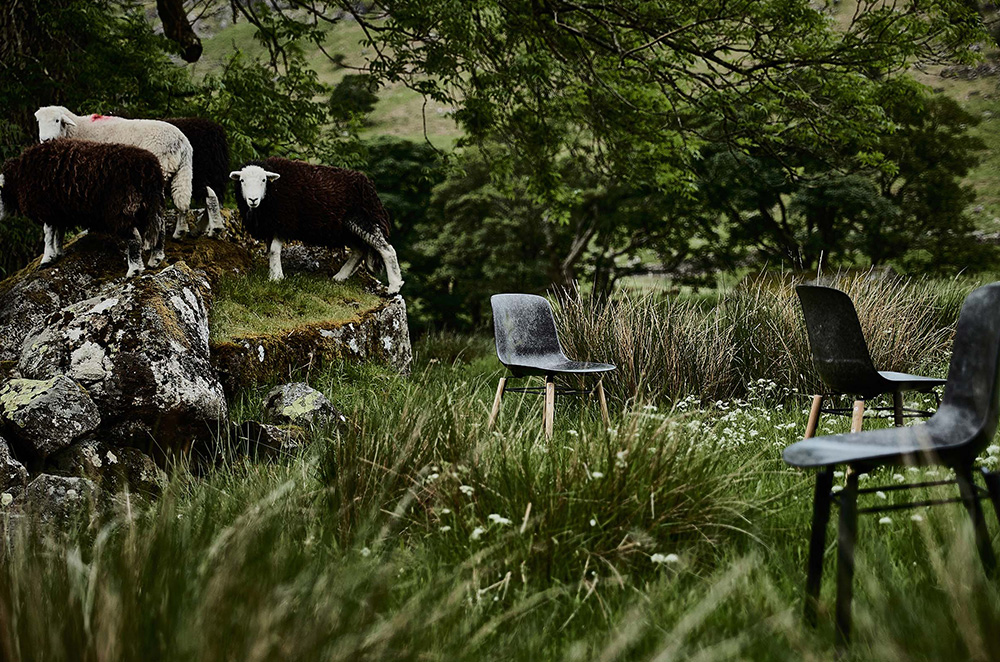
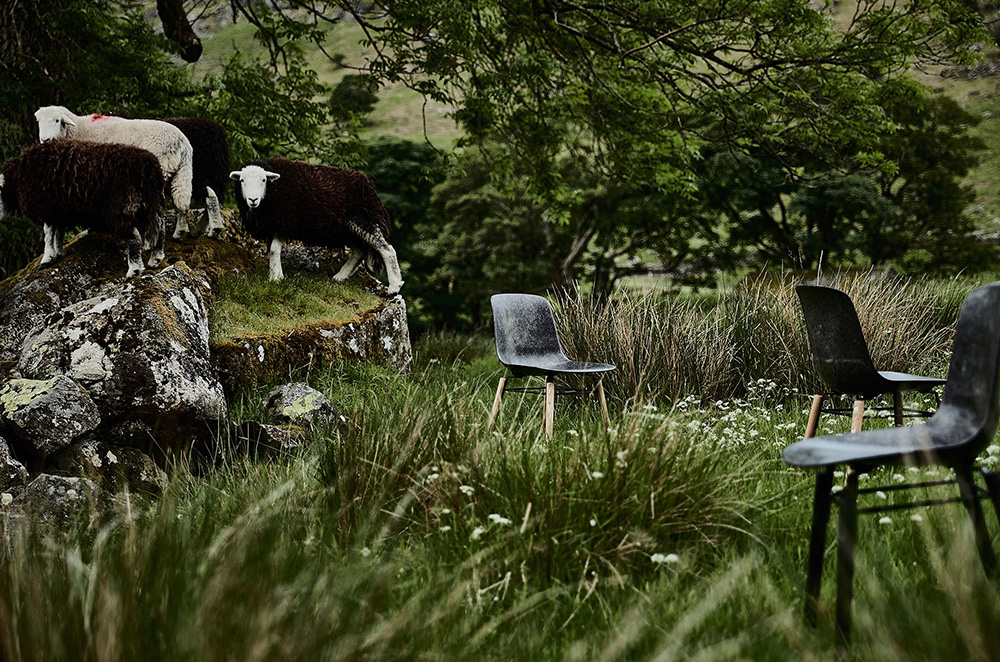
Photo: Kelp Chair Collection by International Times Gang, made from recycled fishing nets and end-of-life maritime gear combined with wood fibre.
Embracing sustainability has become a vital aspect of modern businesses, and one area where they can make meaningful and immediate change is in the office furniture they choose. We have dedicated ourselves to providing innovative solutions so that every workplace can be more environmentally-friendly.
With a focus on longevity, quality, and a deep-rooted commitment to the planet, our team offers a diverse range of stylish and sustainable furniture options that not only enhance productivity but also minimise the environmental impact of your business.
Here, we delve into our fresh catalogue of sustainable office furniture, exploring how ethical design philosophies, eco-friendly materials, and forward-thinking approaches to interior design can transform workplaces and preserve the planet.
Eco-Friendly Materials to Look Out For
Truly sustainable interior design hinges on a number of factors, but the first and foremost is material. The composition of your furnishings plays a significant role in determining their environmental impact. Not in the way they are made for and used in your space, but also their capacity to be disposed of or repurposed in an environmentally friendly way.
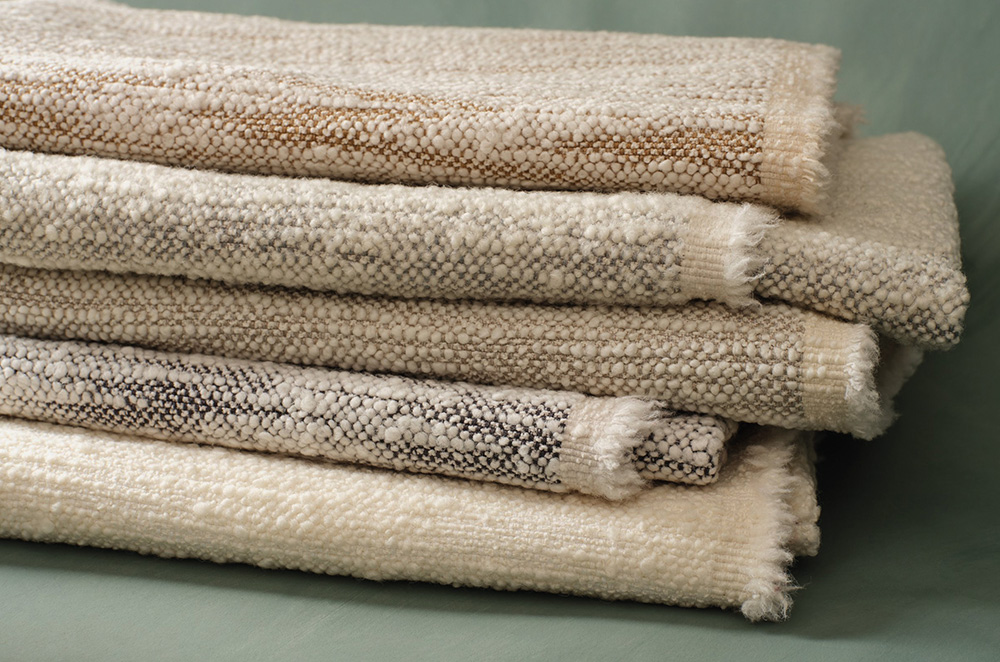
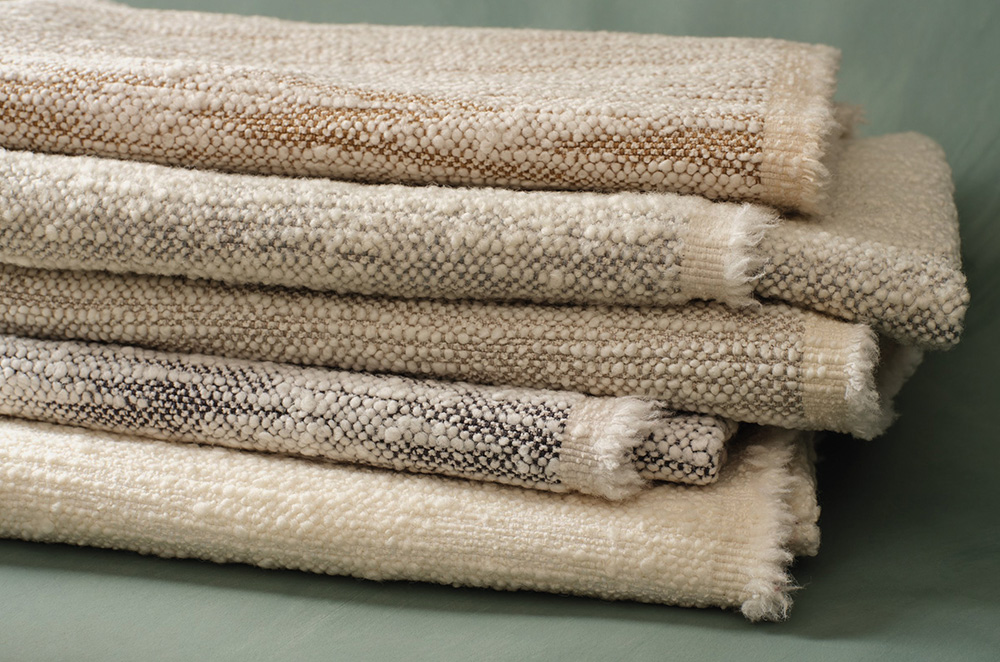
Photo: Yarn Collective creates natural, recycled textiles in distinctive colour palettes, from gentle neutrals to rich and fiery hues.
When refurbishing a new space, look out for these material green flags:
Cork


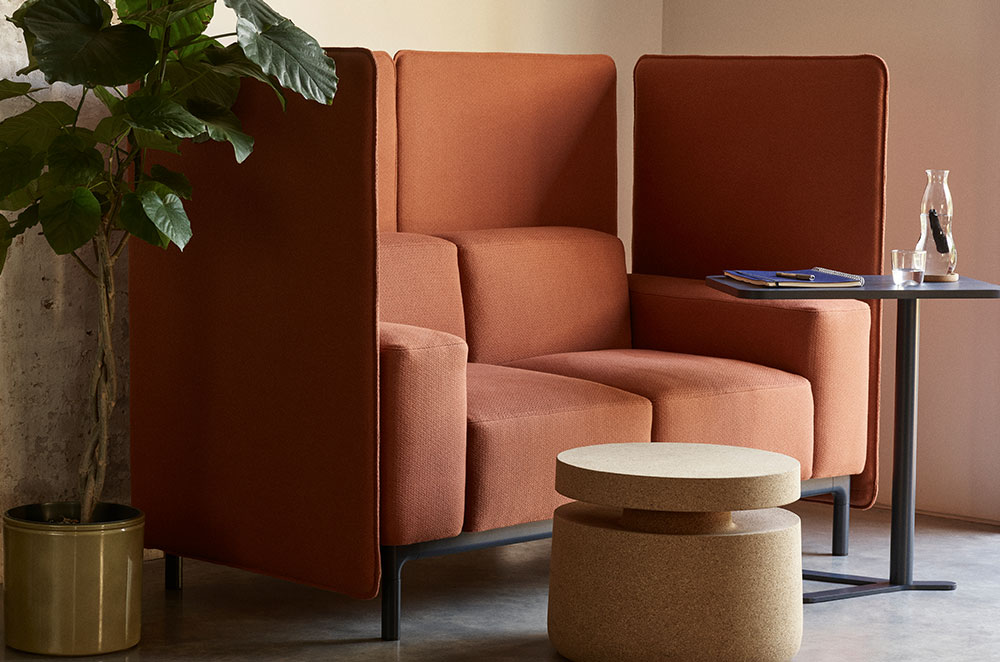
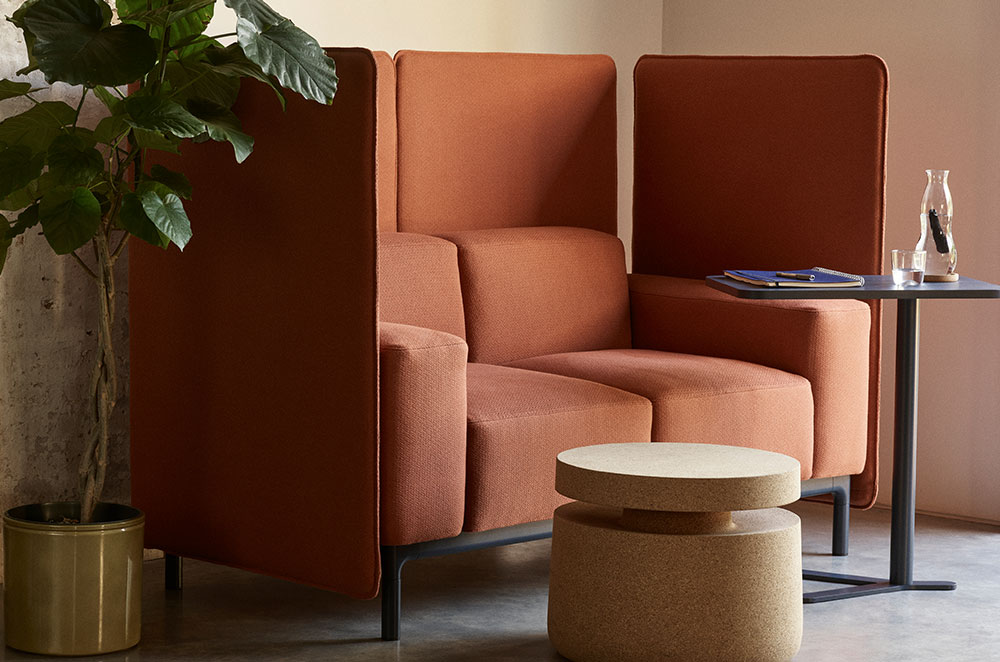
Cork is derived from the bark of cork oak trees. The process of harvesting cork involves carefully stripping the bark without causing harm to the tree, allowing it to regenerate and be harvested again in the future. This sustainable harvesting method ensures that the cork oak forests, primarily found in Mediterranean countries like Portugal, Spain, and Italy, remain healthy and intact.
Using cork in office furniture not only aligns with sustainable principles, both in how it is harvested and its capacity to be recycled and disposed of responsibly, but it also adds a touch of natural beauty and warmth to a workspace. The distinctive texture and natural variations in colour make cork furniture visually appealing and versatile, blending well with a variety of interior design styles.
Bamboo


Bamboo stands out as a unique and sustainable resource for office furniture. Unlike traditional wood, bamboo is a type of grass that grows exceptionally quickly, surpassing the growth rate of most trees. This allows bamboo to reach its full size in just one to five years, which is a stark contrast to the decades it takes for trees to fully mature.
On top of these impressive credentials, bamboo is recommended for office furniture because it is lightweight and exceptionally durable. It has a classic look which lends itself to the professional minimalism found in most modern office spaces today.
Natural Fabrics
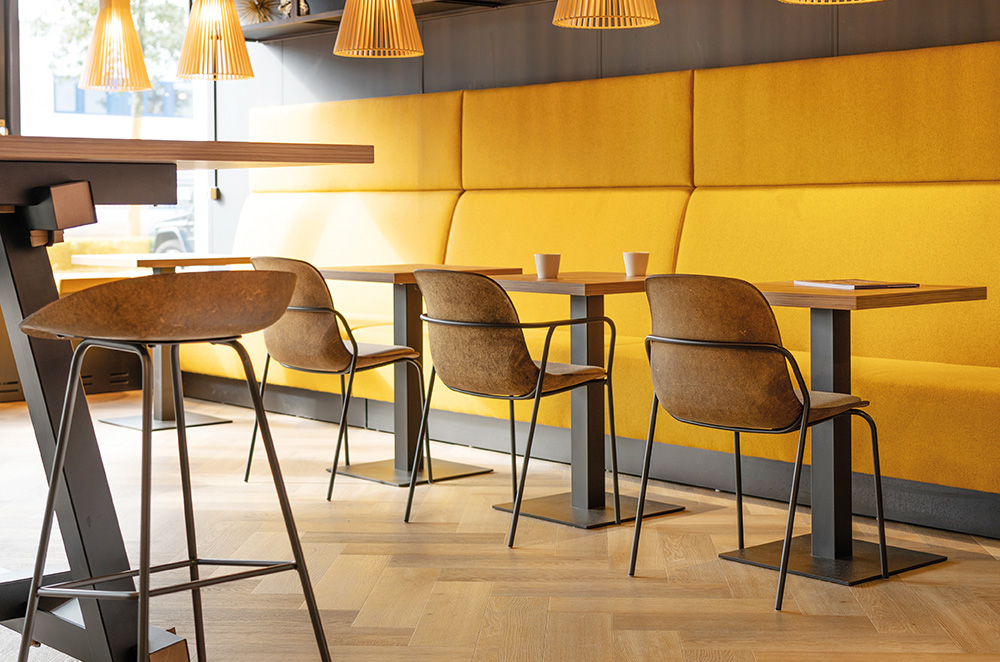
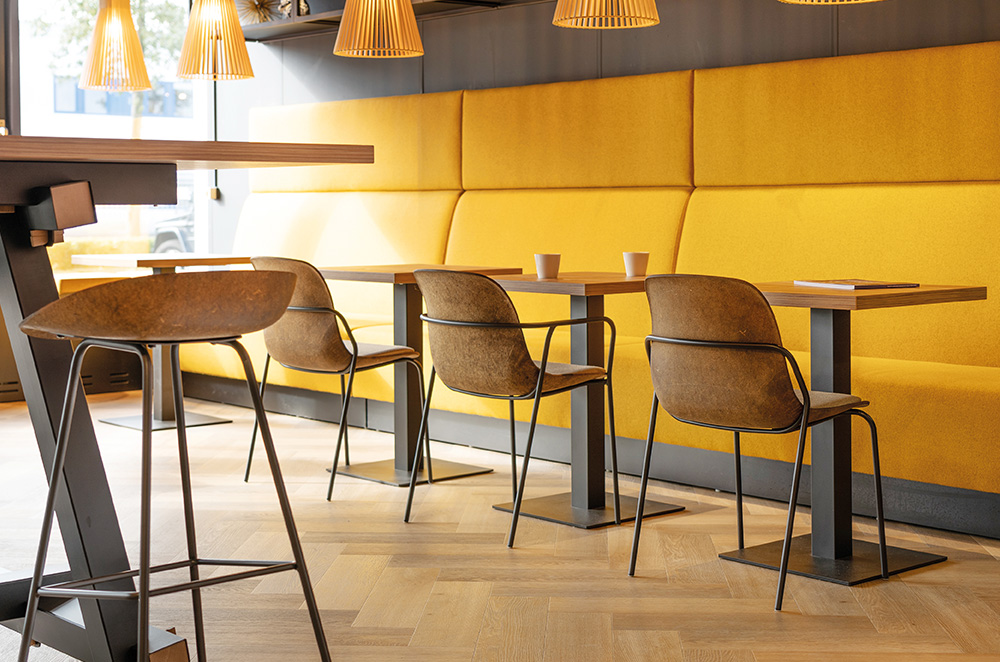
Natural fabrics, such as organic cotton, hemp, wool, and linen, are derived from renewable plant or animal sources. The natural fabrics we source for our projects are cultivated and harvested using eco-friendly practices that minimise the use of harmful pesticides and synthetic fertilisers.
By opting for office furniture that uses natural upholstery fabrics, companies can significantly reduce their environmental impact and contribute to a more sustainable future.
Recycled Materials


Recycled materials commonly used in office furniture include recycled plastics, metals, wood, and textiles. These materials are sourced from post-consumer waste or industrial by products, diverting them from landfills and giving them a new purpose.
By utilising recycled materials, office furniture contributes to waste reduction and resource conservation, making it a sustainable choice for businesses.
Is Wooden Office Furniture Sustainable?


Wood has been a go-to material for office furniture for years, most often utilised in worktops and as the bases of chairs. Whether wood is sustainable or not really depends on how it is sourced.
Look out for FSC (Forest Stewardship Council) labels as well as PEFC (Programme for the Endorsement of Forest Certification) markers, as these indicate that the wood used in a particular product has been sourced from a managed woodland. These areas are carefully cultivated to not only produce the highest quality timber but also to preserve and enrich the surrounding ecosystem.
But, where possible, opt for woods sourced from European forests, as these are covered by legislation that demands a minimum amount of replanted trees per harvest. Hardwoods and softwoods can both be sustainably procured, if their growth and replenishment is managed in the correct way.
Get Inspired With Our Sustainable Furniture Collections for Offices

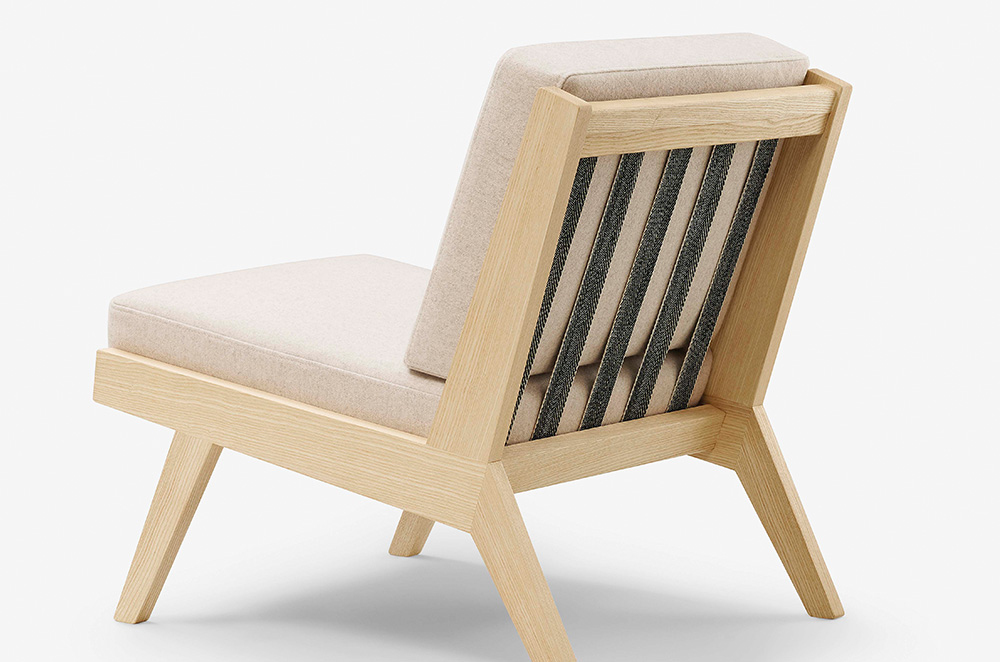
We offer a wide range of sustainable office furniture, sourced right here in the UK from a collection of high-end and eco-conscious designers, specially crafted for workplaces and communal spaces.
The most popular interior design styles that complement an eco touch include:
Eco Scandinavian
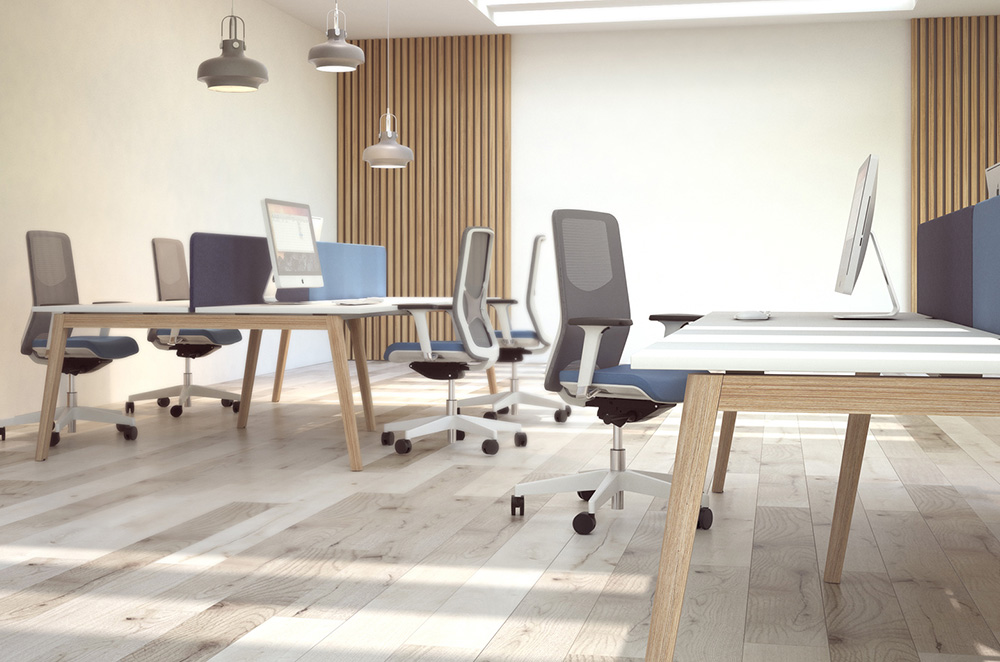
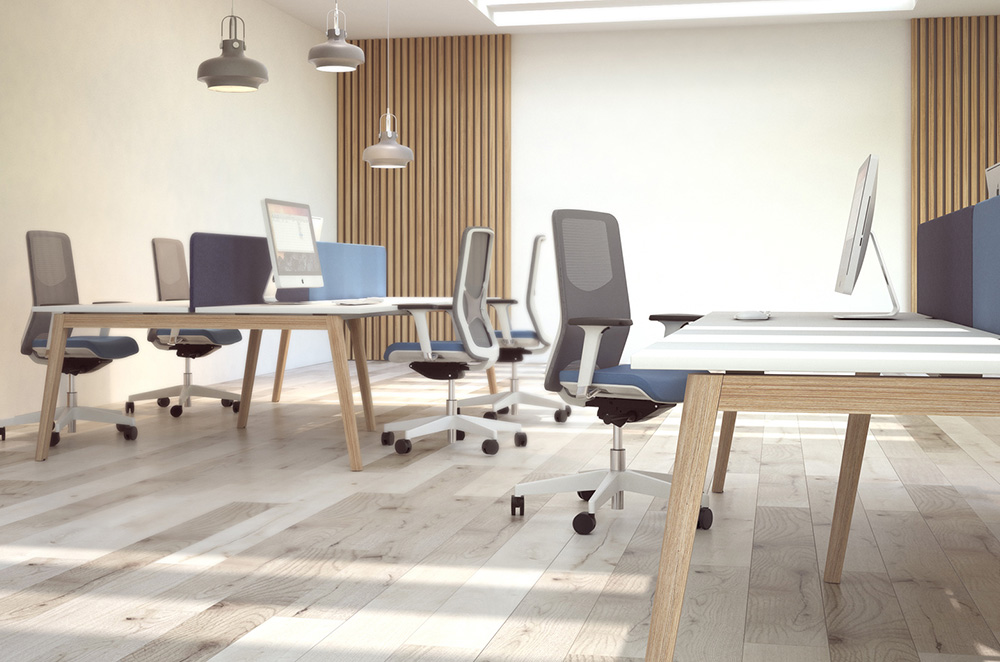
Rooted in simplicity, functionality, and natural elements, Scandinavian design brings a refreshing and minimalist aesthetic to office environments. An array of textures and neutral tones create tactile spaces that everyone can agree on.
Achieve the Scandi office look by combining modern oak desks with cork flooring and accenting with white chairs and touches of chrome and black. This mix softens the sleek tech of your modern office with repurposed, natural textures.
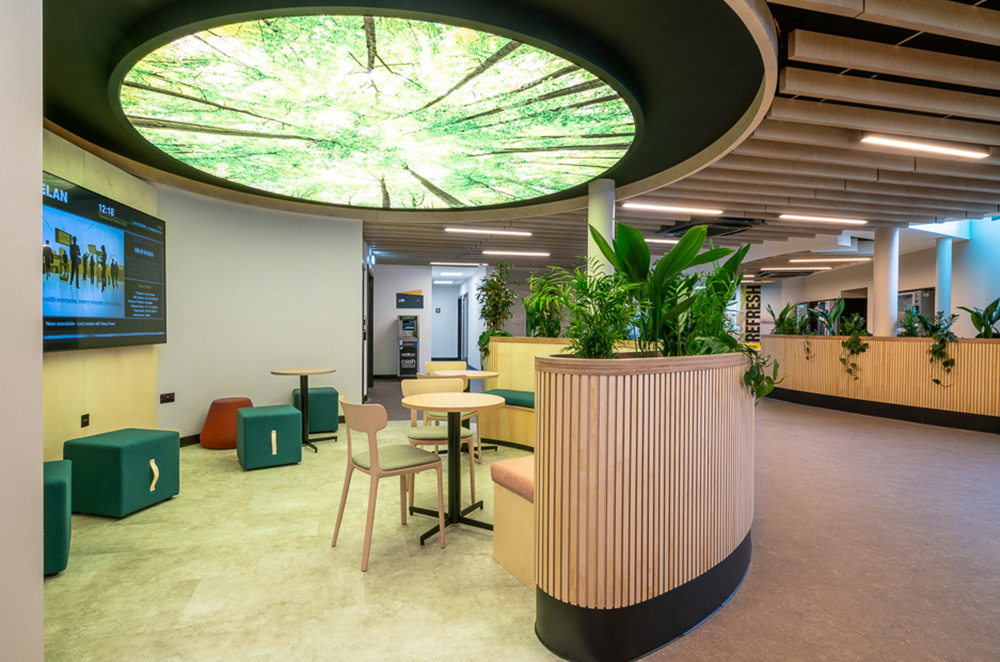

Then, to seal the eco-deal, you can introduce some vibrant indoor plant life. Some popular choices include birds of paradise, cheese plants, and ficuses – all of which can work in unison to complete your Scandi look.
By adding greenery to your workplace, you can actually significantly improve indoor air quality for your employees.
Some of the best species to elevate your office interior are: Peace Lilies, Aloe Vera, Weeping Figs, Spider Plants, Bamboo Palms, English Ivy and Snake Plants.
Recycled Surfaces
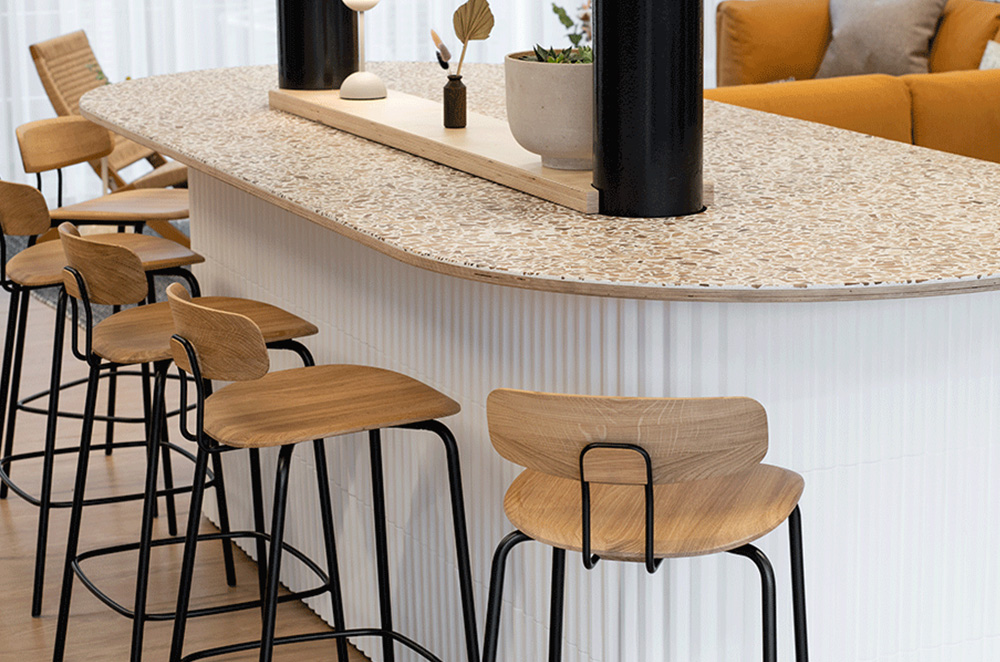

Scandinavian interiors work beautifully with recycled surfaces, like this communal table top made from recycled wood chips and plywood. The colours are neutral and gentle on the eyes, making them perfect for spaces that value comfort and productivity.
Industrial Design
Industrial chic describes utilitarian, urban spaces that have been stripped-back and repurposed. This style accentuates the original features with finesse. Featuring raw materials, exposed brick, and metalwork, often flooded in natural light from floor-length windows. Tech, abstract art, and a medley of distressed fabrics come together to create edgy, trendy spaces.
Biophilic Design
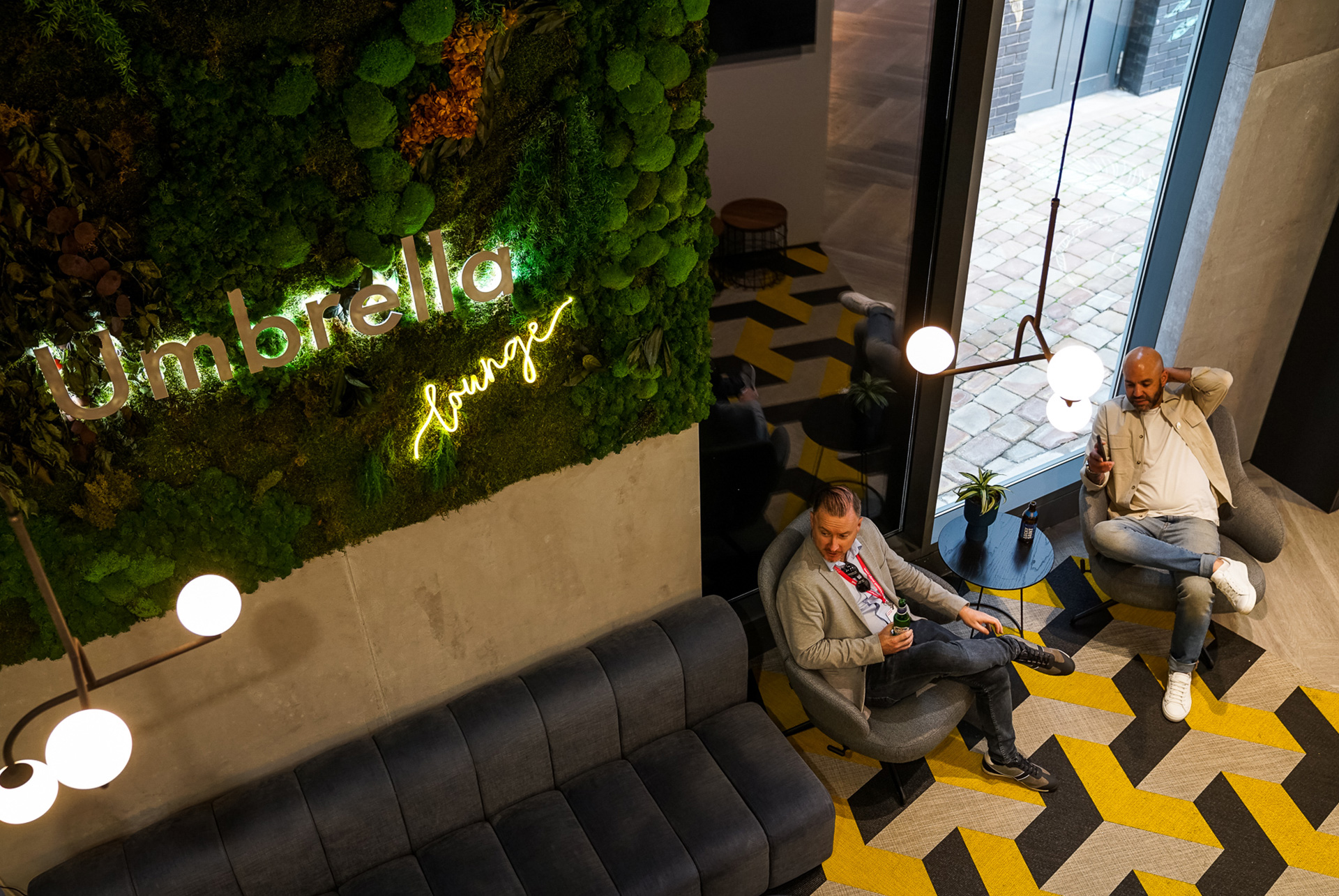
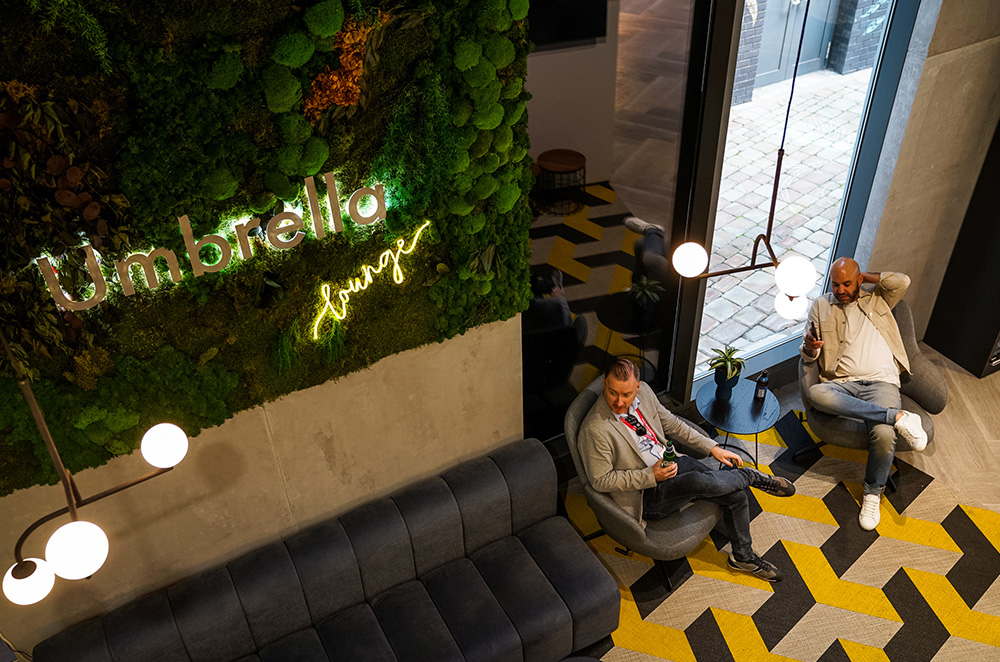
This approach to interior styling seeks to connect people with nature by incorporating natural elements and patterns into the built environment. Biophilic design creates a harmonious and nurturing workspace that promotes well-being, productivity, and a sense of connection to the natural world. Blending plant life with office life is a fine art, and is about finding the balance between dense foliage and busyness.
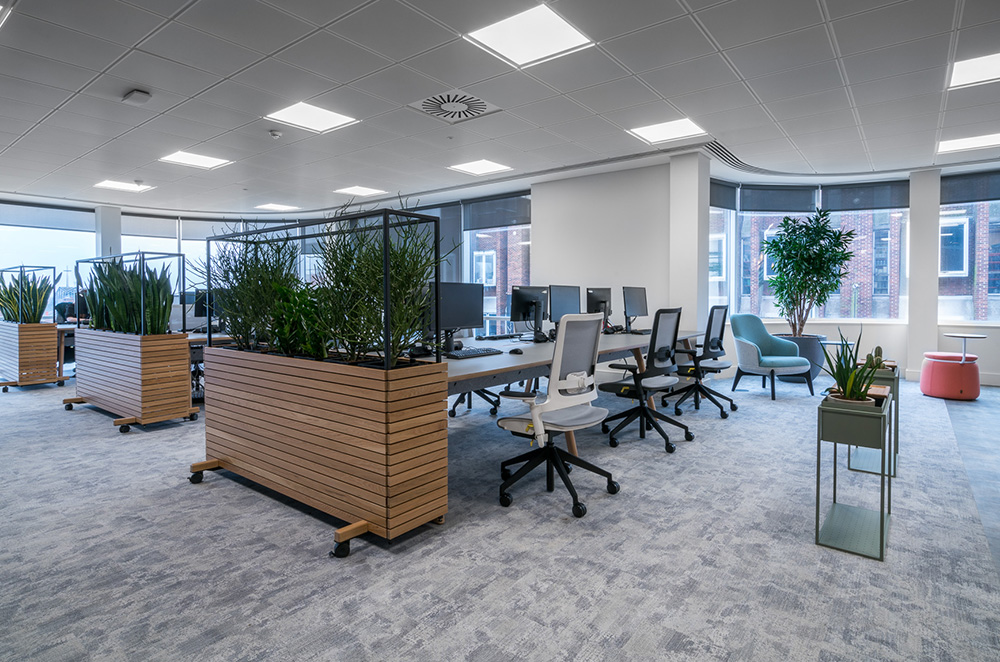

This office space is bright and inviting, exhibiting biophilic design in a controlled and professional manner, tying in leaves, big and small, with the green fabric of the couches and the reflective glass coffee tables.
These wood planters blend Scandinavian and biophilic touches to create a tasteful hint of natural colour, and can also be effortlessly moved around via lockable wheels. This manoeuvrability is the perfect for future-proofing a multi-use workspace.
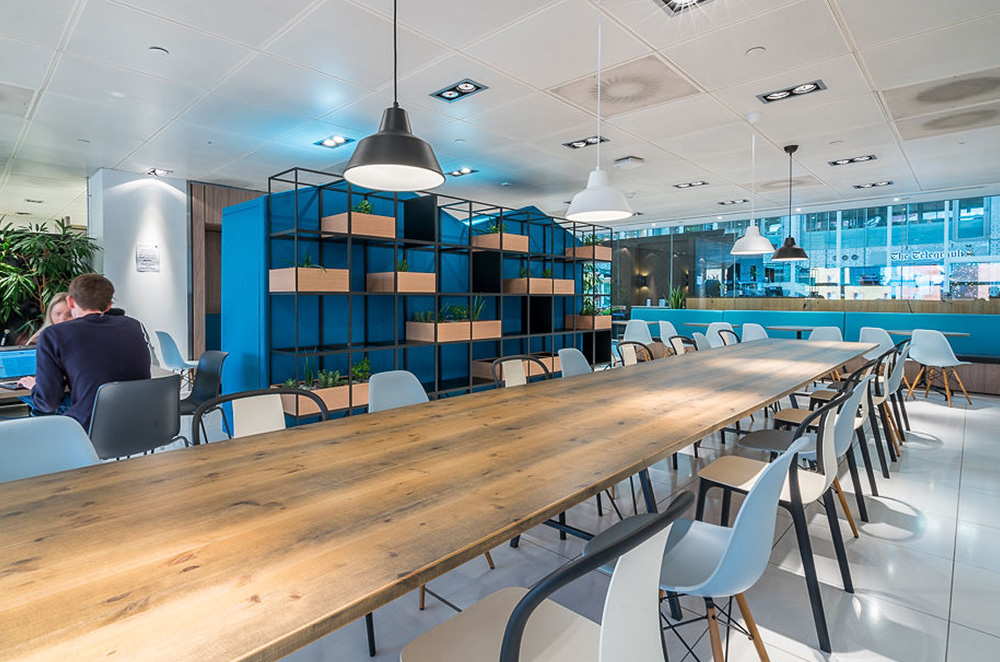
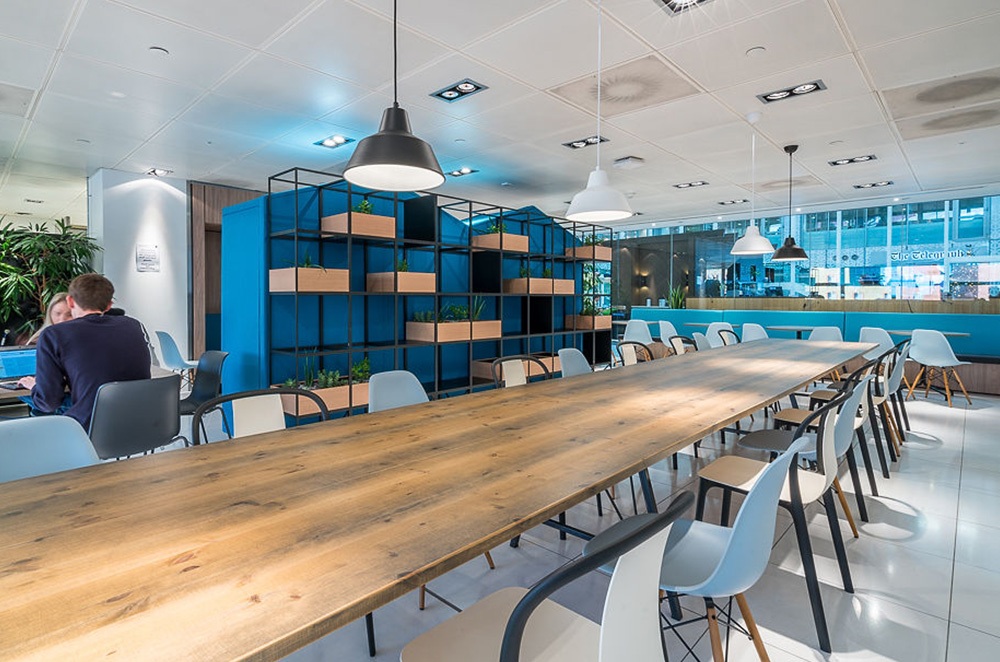
Another effective example of biophilic design can be found in our installation for The Telegraph dining space, which drew inspiration from the ocean, with its reclaimed wooden tabletops and use of deep blues and warm whites, to create a calming environment.
A Pop of Bold
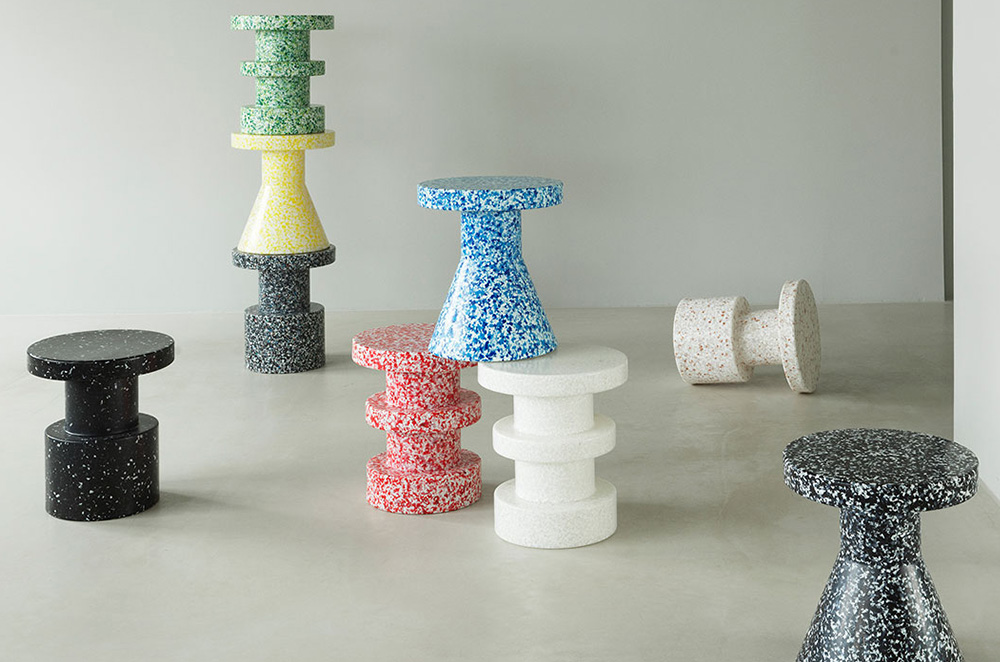
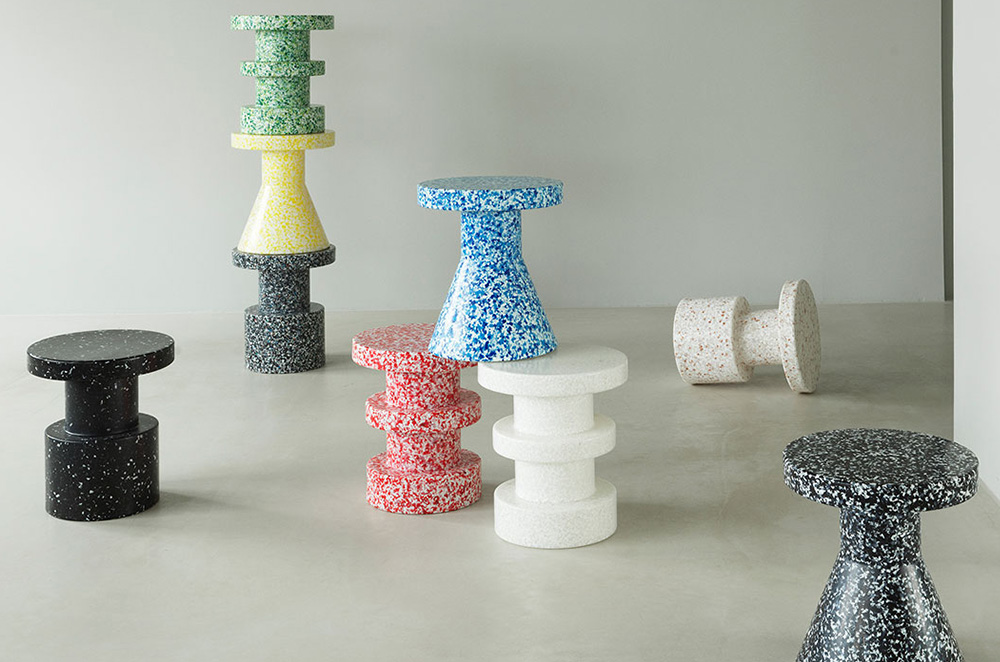
Sustainable interior design is often associated with earthy tones and greenery. But they can be full of life in other ways – bright and bold interiors can provide uplifting, joyful working environments.
A great example of finding colour in sustainability is in these striking stools, made from 100% recycled industrial and household plastics. These column-like pieces are a fun and adaptable feature that could work well in just about any modern office, offering a refined and professional splash of colour, whilst remaining eco-friendly.
Sustainable Furniture in Commercial Spaces

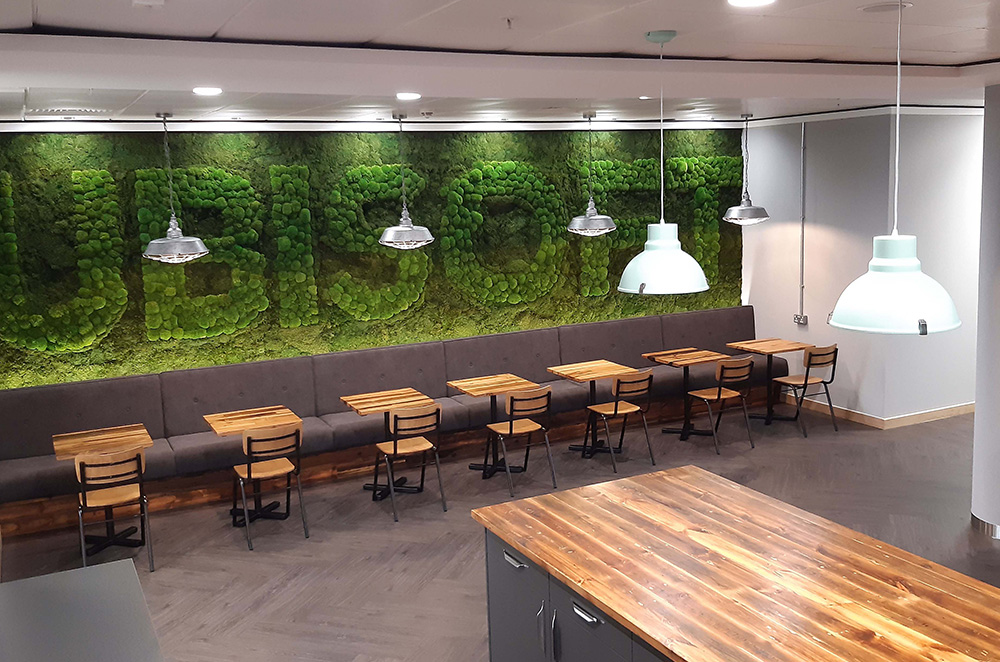
Beyond the aesthetic appeal and functional aspects, sustainable office furniture plays a crucial role in reducing the ecological footprint of a workspace. By opting for furniture crafted from eco-friendly materials and utilising sustainable manufacturing processes, companies can demonstrate their dedication to preserving the environment while creating a stylish and adaptive workplace for their employees.
Book a visit to our showroom
For more information about sustainable office design, or if you would like to see any of the products featured in this post, get in touch with us today or book an appointment to visit our London showroom.


I especially like the way you've incorporated natural materials into your designs, such as cork, bamboo, and recycled fabrics. These materials are not only beautiful, but they're also good for the environment.
I'm also impressed by your focus on biophilic design. I believe that connecting people with nature is essential for creating healthy and productive workspaces.
Stellar is a leading office chair manufacturer, where you can expect high-quality office chairs, especially ergonomic chairs.
For more details. you can visit this page:
https://www.stellarglobal.online/post/what-is-an-ergonomic-chair