 Free and Next Day Delivery*
 Up to 10 Year Warranty
 Installation Available
 Instant Credit - Apply
Wagstaff Blog
-
- February 24, 2025
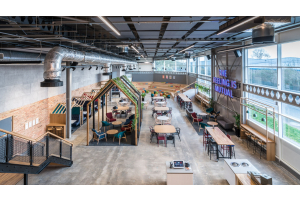
An effective office layout improves productivity, supports well-being, and encourages collaboration. With hybrid working now common, adaptable spaces that balance focus and interaction are essential in-office and from home.
It’s also important that those working from home have a working environment that is fit for purpose. With the right equipment, home offices can even have a beneficial impact on productivity and team morale.
A well-planned environment gives employees the freedom to work comfortably while meeting business needs – and smart furniture placement can make the difference between a workspace that hinders and one that helps your team succeed.
Photo: Nationwide, Ramsbury House - Wagstaff furniture installation
The Core Areas of an Office Layout
Workstations and Individual Desks
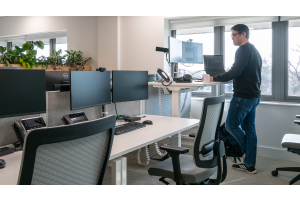
Workstations require careful consideration to support productivity and comfort. Ergonomic desks and chairs are essential. They offer adjustable features to suit different body types and working styles.
-
- January 09, 2025
For many business owners and self-employed professionals, understanding which expenses can be claimed is key to managing finances effectively. But what about office furniture? The answer lies in the rules set by HMRC, which allow businesses to deduct certain costs, provided they meet specific criteria. Knowing how to claim these expenses correctly can help reduce your taxable income and optimise your financial strategy.
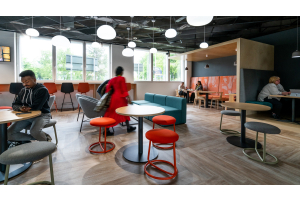
Photo: Manchester Airport Group (MAG) - Wagstaff furniture installation
Office Furniture Expenses for the Self-Employed
Self-employed individuals can claim office furniture as an allowable business expense, helping to reduce their taxable profits. To qualify, the furniture must be essential for the operation of the business and used exclusively for work purposes. This means items like desks, chairs, filing cabinets, and shelves designed to organise work materials are generally deductible.
HMRC’s Rules on Personal Use
If the furniture is used for both business and personal
-
- December 16, 2024
Ergonomic office furniture is designed to adapt to the needs of the user. Unlike standard furniture, it prioritises physical well-being, supporting the body’s natural posture and movement to reduce the strain that often leads to workplace-related injuries like back pain, neck tension, and repetitive strain.
Hybrid working has reshaped how we use office spaces, emphasising the need for designs that support well-being and efficiency. In this guide, we will take you through exactly what makes a piece of office furniture ergonomic, and what to look out for when purchasing for your workplace.
Photo: Wagstaff fit-out and furniture installation - Charles Stanley
Some Examples of Ergonomic Furniture
Common types of ergonomic furniture include adjustable chairs with lumbar support to encourage proper spinal alignment, sit-stand desks that allow seamless shifts between sitting and standing, and monitor arms that position screens at eye level to minimise neck strain.
Ergonomic keyboards and wrist
-
- November 10, 2024
Modern Workspace Design - A Guide for Small Businesses
A Small Business Owner’s Guide to Modern Office Design
The modern workspace has undergone a significant transformation, especially for small businesses. As the lines between home and office blur, the demand for flexible, multifunctional spaces has surged. Small businesses now face the challenge of creating environments that are both efficient and reflective of their unique culture and values.
For this reason, Wagstaff has curated various furniture ranges for each of the major design styles found in modern workplaces – and coupled with this comprehensive guide for small business owners, the approach to finding the right style and implementing it is straightforward.
-
- November 10, 2024
Inclusive Design Strategies for a Diverse Workforce
Inclusive and well-designed workspaces cater to everyone, removing barriers and supporting all employees – from parents with young children to people with physical impairments and neurodivergent individuals. Interior design plays a key role in ensuring accessibility, productivity, and comfort, and Wagstaff is dedicated to creating practical, inclusive solutions across multiple sectors.
Ergonomic Solutions for a Diverse Workforce
Adjustable, ergonomic furniture is essential for creating workspaces that support employees with different physical needs. The Air Height Adjustable Desk, for example, allows users to easily switch between sitting and standing positions, promoting better posture and reducing physical strain. This flexibility is especially valuable for people of varying heights or those with mobility challenges.
With features like memory presets, users can save their preferred desk height, making it quick to adjust for multiple
-
- August 09, 2024
Biophilic Design for Neurodiverse Employee Well-being
Originating from the term ‘biophilia,’ which means ‘love of life and nature,’ biophilic interior design seeks to incorporate natural elements into built environments, bridging the gap between the indoors and the great outdoors. This design philosophy leverages elements such as natural light, vegetation, water features, and natural materials to create spaces that promote health and well-being.
As we explore the principles and applications of biophilic design in this guide, we'll demonstrate how these natural elements can be seamlessly integrated into workspaces to support the well-being and productivity of all employees, with a special focus on the unique needs of neurodiverse individuals.
Main Photo: Wagstaff fit-out project - University of East London, Stratford Campus - Reception Area
The Importance of Supporting Neurodiversity in the Workplace
Neurodiversity promotes the understanding that mental variations are part of normal
-
- June 28, 2024
Incorporating Bright and Bold Design into Educational Environments
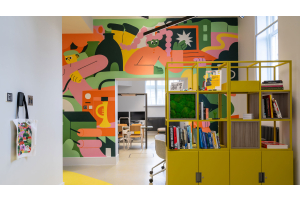
Bright and bold interior design is all about using vibrant colours and dynamic patterns to create lively, engaging spaces. This design approach is particularly effective in educational settings, where it can stimulate learning, foster creativity, and improve overall well-being.
In this blog post, we aim to inspire and guide educational institutions – be they nurseries, schools, or universities – on exactly how to incorporate bright and bold designs into their spaces, colouring the day-to-day learning of their students for the better.
Main photo: Yeovil College
1. What is Bright and Bold Interior Design?
Bright and bold interior design is a style that works to create spaces that are visually stimulating and full of energy. The design style does this by combining three distinct elements:
Yeovil College - Nursery classroom setting Vivid Colours
The use of vivid colours such as red, yellow, blue, and green plays a central
-
- June 03, 2024
Designing for Diversity
A Guide to Supportive & Inclusive Office Environments
Inclusive design in the workplace is vital, particularly for neurodivergent staff – including those with autism. As we navigate the post-pandemic landscape, workspace requirements have shifted dramatically, underscoring the need for environments that cater to diverse needs. This guide aims to provide practical, actionable tips for creating autism-friendly workspaces.
Leveraging Wagstaff's extensive range of adaptable furniture and award-winning interior design expertise, we will explore how to craft workspaces that enhance comfort, productivity, and overall mental health for all employees
Main photo: Manchester Airport Group
Autism in the Workplace:
Understanding Neurodivergent Needs
Autistic and neurodiverse individuals often face unique challenges in the workplace, including heightened sensitivity to noise, lighting, and the need for structured environments. Common issues include difficulty concentrating in
-
- May 31, 2024
Beyond Basics – Designing Commercial Spaces for Tomorrow
Modern interior design is a broad term that encapsulates a range of design philosophies and practices aimed at creating spaces that are both aesthetically pleasing and highly functional. This guide explores how the right furniture pieces can be instrumental in transforming commercial interiors, ensuring they are both practical and visually appealing.
Main photo: CareCo Ltd - Wagstaff Installation
What Defines Modern Interior Design?
CareCo Ltd - Open Plan Office Space Characterised by simplicity and a focus on space usage, modern design favours a minimalist approach, reducing clutter to enhance the usability and elegance of a space. This style incorporates open-plan spaces that promote airiness and fluid movement, and it leverages natural light to make areas feel more spacious. Additionally, modern materials – such as glass, steel, and polished wood – play a crucial role in achieving a clean, streamlined aesthetic.
In commercial settings,
-
- February 27, 2024
How to Master Monochrome Design in Your Workplace
Monochromatic interior design centres on a single colour palette, skilfully employing varying shades, tints, and textures to create a cohesive yet dynamic space. This design strategy is distinguished by its simplicity and elegance, offering a unified aesthetic that can refine the visual appeal of any workspace. This approach suits modern commercial and work environments, prioritising clarity and focus above all else.
Main photo: Taylor Howes Designs
The Essence of Monochromatic Design
The aesthetic appeal of a monochromatic space lies in its clean lines and uncluttered appearance, which can lead to a calming environment, reducing stress and promoting focus among employees. Psychologically, this can contribute to a more productive and harmonious workplace, as the consistent colour scheme creates a sense of order and continuity.
True Versatility
Versatility is a hallmark of monochromatic design, allowing for flexibility across different
-
- February 08, 2024
James Kettle: My Apprenticeship Journey at Wagstaff
It's been an incredible 18 months filled with learning and growth. I'm thrilled to share an update on my apprenticeship journey at Wagstaff, especially during National Apprenticeship Week and the exciting prospects for the future.
1. Why an Apprenticeship?
As explained in my previous interview post, my passion for business administration led me to completing a Level 2 qualification in my spare time while working as a cleaner. The desire to delve deeper into the world of business administration prompted me to seek an apprenticeship. The enthusiastic support I received from from family and friends fuelled led me to finding the perfect fit – Wagstaff.
Main Photo: From (L-R) James (seen standing, checked shirt) along with Hannah and Jamie at our annual Summer Conference, Boat Trip - June 2023.
2. Choosing Wagstaff: A Game-Changer
Before Wagstaff, I had a brief stint with another employer where the support for my apprenticeship journey
-
- January 21, 2024
Going Green in your Workplace – How to Cultivate Biophilic Elements in Shared Spaces
Biophilic design is a trend that is rapidly transforming office spaces worldwide. The term ‘biophilic’ comes from ‘biophilia’, meaning a love of life or living systems. Biophilic design aims to connect people and nature within built environments by incorporating elements found in the natural world to improve the wellbeing of who engage with the space.
By bringing natural light, plants, views of the outdoors, natural materials, and other organic elements into indoor spaces, biophilic design fulfils this longing for contact with the natural world. Studies show biophilic offices enhance productivity, creativity, well-being, and employee satisfaction.
From living walls to circadian lighting, biophilic elements offer an impactful way to increase workspaces’ natural feel and cultivate a connection between employees and their surroundings. The result is offices that uplift, inspire, and promote employee health