 Free and Next Day Delivery*
 Up to 10 Year Warranty
 Installation Available
 Instant Credit - Apply
#InclusiveDesign
-
- November 10, 2024
Inclusive Design Strategies for a Diverse Workforce
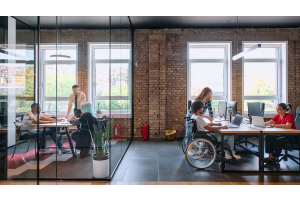
Inclusive and well-designed workspaces cater to everyone, removing barriers and supporting all employees – from parents with young children to people with physical impairments and neurodivergent individuals. Interior design plays a key role in ensuring accessibility, productivity, and comfort, and Wagstaff is dedicated to creating practical, inclusive solutions across multiple sectors.
Ergonomic Solutions for a Diverse Workforce
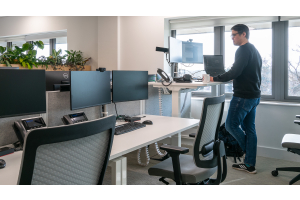
Adjustable, ergonomic furniture is essential for creating workspaces that support employees with different physical needs. The Air Height Adjustable Desk, for example, allows users to easily switch between sitting and standing positions, promoting better posture and reducing physical strain. This flexibility is especially valuable for people of varying heights or those with mobility challenges.
With features like memory presets, users can save their preferred desk height, making it quick to adjust for multiple
-
- November 10, 2024
Modern Workspace Design - A Guide for Small Businesses
A Small Business Owner’s Guide to Modern Office Design
The modern workspace has undergone a significant transformation, especially for small businesses. As the lines between home and office blur, the demand for flexible, multifunctional spaces has surged. Small businesses now face the challenge of creating environments that are both efficient and reflective of their unique culture and values.
For this reason, Wagstaff has curated various furniture ranges for each of the major design styles found in modern workplaces – and coupled with this comprehensive guide for small business owners, the approach to finding the right style and implementing it is straightforward.
-
- October 27, 2023
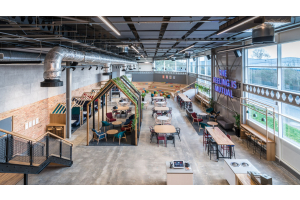
Industrial style interiors take existing structures and redesign them for a modern workflow whilst preserving their utilitarian elements. They pay homage to the stripped-down look of factories and warehouses, from places like New York. Features such as concrete floors and metal ductwork that other design styles would work to hide, are fully embraced and accentuated in industrial interiors. This is form met with function for the modern workforce.
Wagstaff furniture installation for CareCo Ltd. Design by Squaredot Nailing the Industrial Aesthetic
Industrial interior design is all about embracing the raw and the tactile. It is a style that does not shy away from showing off the bones of a building. These elements bring an authentic, rugged atmosphere to the space, with surfaces that are tactile and multi-textured – think exposed concrete, weathered wood, and corrugated metal. Most of all, materials show their origins. Rough-hewn beams still bear saw marks and brickwork appears salvaged.
Far
-
- September 27, 2023
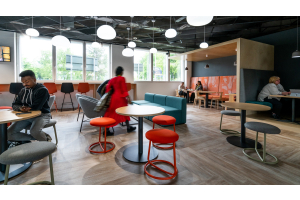
Scandinavian design, known for its simplicity, functionality, and connection to nature, has become increasingly popular in office spaces over recent years. The calm, understated aesthetic not only looks sleek and modern but also promotes productivity, creativity, and well-being among employees.
With its soothing, natural warmth, Scandinavian design cultivates the optimal environment for today's workforce. Clarity of thought, renewed inspiration, and a sense of calmness set the stage for employees to reach their highest potential.
The Scandi Story
Inspired by the landscapes and values of Nordic countries such as Sweden, Denmark, and Finland, the Scandinavian (or ‘Scandi’) style is characterised by minimalism, organic materials, and natural light. Clutter is eliminated in favour of clean lines, neutral colours, and high-quality, sustainable materials like light wood, stone, and natural fibres.
With Scandi design, the emphasis is on craftsmanship and durability over design trends.
More than
-
- April 18, 2023
Benefit of colour in the workplace for neurodiverse employees
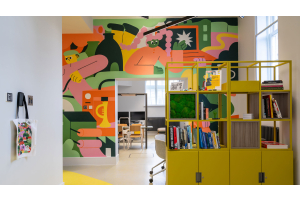
The use of colour in the workplace can have a profound impact on the well-being and productivity of neurodiverse employees.
Neurodiversity is a term used to describe the natural variation in human brain function and development, including conditions such as Autism, ADHD, Dyslexia, and others.
These conditions can present challenges in traditional work environments, but colour can be a powerful tool to help create a more inclusive and supportive workplace for neurodiverse employees.
Improve mood and productivity
One of the most significant benefits of colour in the workplace is its ability to improve mood and productivity.
Colours have been shown to have a psychological impact on our emotions and behaviour, and certain colours can help promote feelings of calmness, focus, and creativity
For example, blue is a colour that is often associated with calmness and tranquillity, while yellow is a colour that is associated with energy,