 Free and Next Day Delivery*
 Up to 10 Year Warranty
 Installation Available
 Instant Credit - Apply
Creating Inclusive Workspaces

Inclusive Design Strategies for a Diverse Workforce
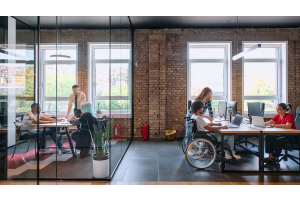
Inclusive and well-designed workspaces cater to everyone, removing barriers and supporting all employees – from parents with young children to people with physical impairments and neurodivergent individuals. Interior design plays a key role in ensuring accessibility, productivity, and comfort, and Wagstaff is dedicated to creating practical, inclusive solutions across multiple sectors.
Ergonomic Solutions for a Diverse Workforce
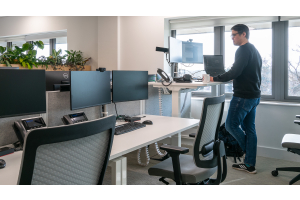
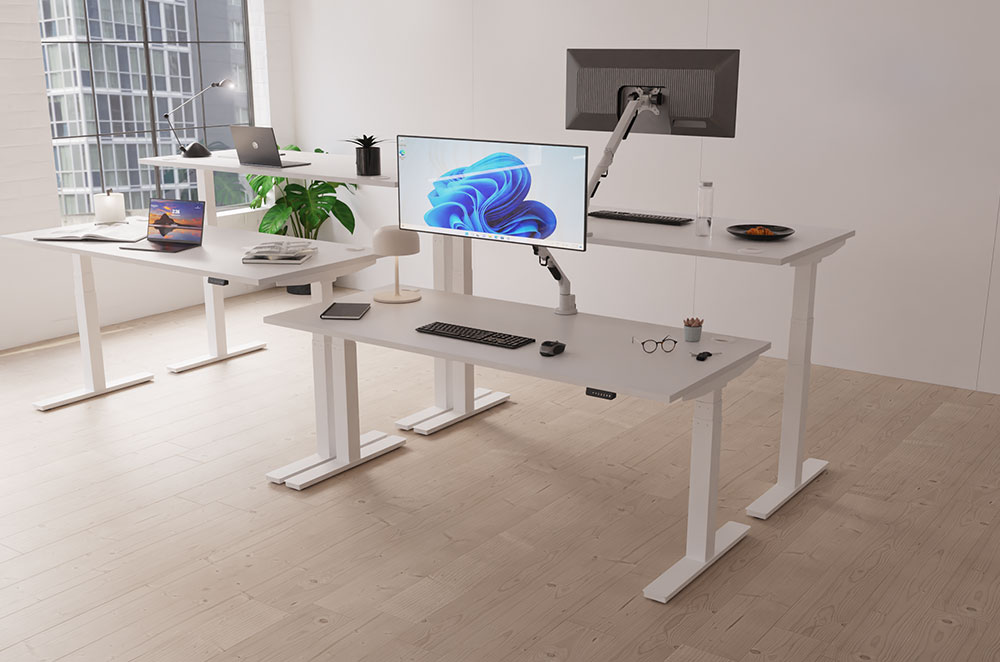
Adjustable, ergonomic furniture is essential for creating workspaces that support employees with different physical needs. The Air Height Adjustable Desk, for example, allows users to easily switch between sitting and standing positions, promoting better posture and reducing physical strain. This flexibility is especially valuable for people of varying heights or those with mobility challenges.
With features like memory presets, users can save their preferred desk height, making it quick to adjust for multiple family members or colleagues sharing the same workspace. The desk also includes safety features, such as a child-proof lock and anti-collision sensors, providing peace of mind in home-office environments where children may be present.
The Main Benefit to Employee Health
Incorporating height-adjustable desks into the workspace supports flexibility, allowing users to alternate between sitting and standing throughout the day. This can reduce the health risks associated with prolonged sitting – including increased blood pressure and blood sugar levels, as well as unhealthy cholesterol levels – while accommodating the needs of individuals who may find standing or sitting for long periods uncomfortable.
Incorporating Storage Solutions for Organisational Ease
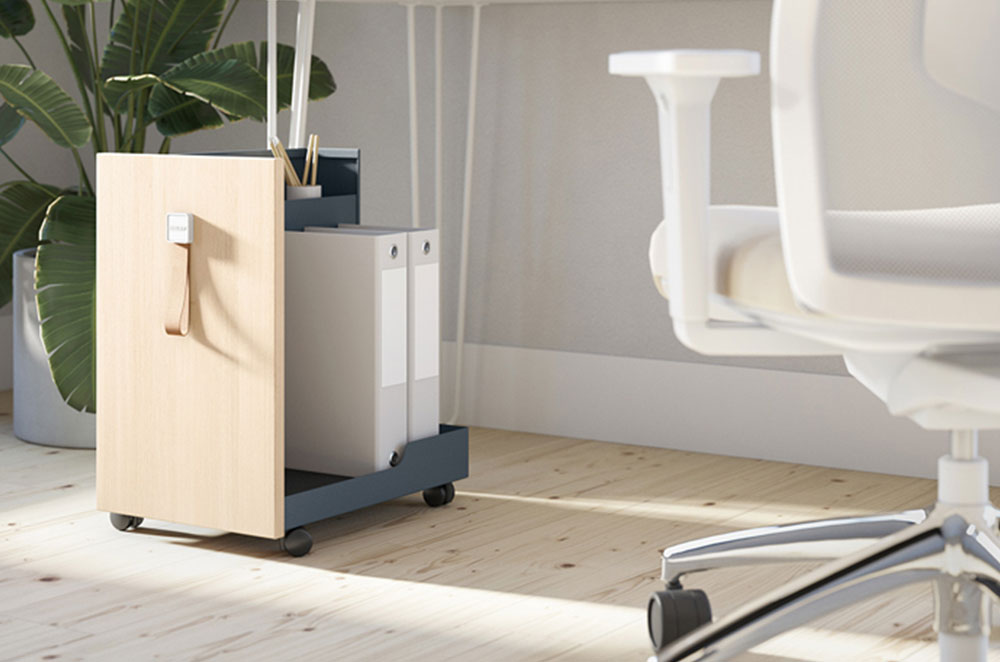
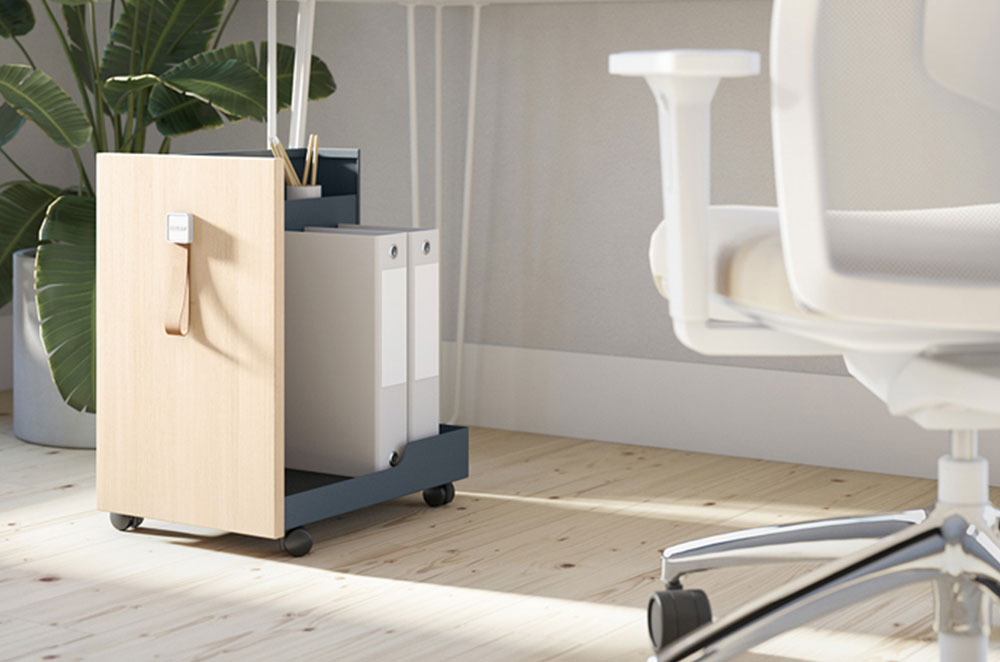
Storage solutions should cater to everyone, including individuals with limited physical strength or those in wheelchairs. The Bisley Shadow Mobile Under Desk Storage is designed with accessibility in mind. Its lightweight construction and smooth-rolling castors make it easy to move, allowing users to keep their essentials within reach without straining.
This compact unit can slide neatly under desks, providing a seamless storage option that doesn’t take up valuable space. Its discreet side pull handles ensure that even those with reduced mobility can use it effortlessly. The sleek design fits smoothly into any workspace, ensuring a clean, uncluttered environment that supports productivity.
What to Consider When Buying New Storage
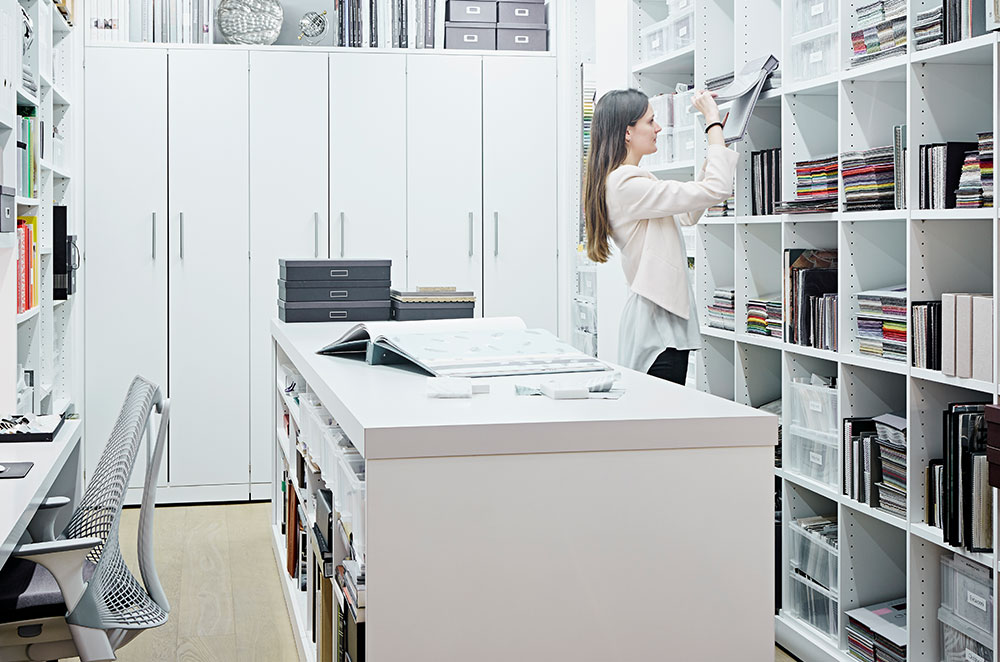
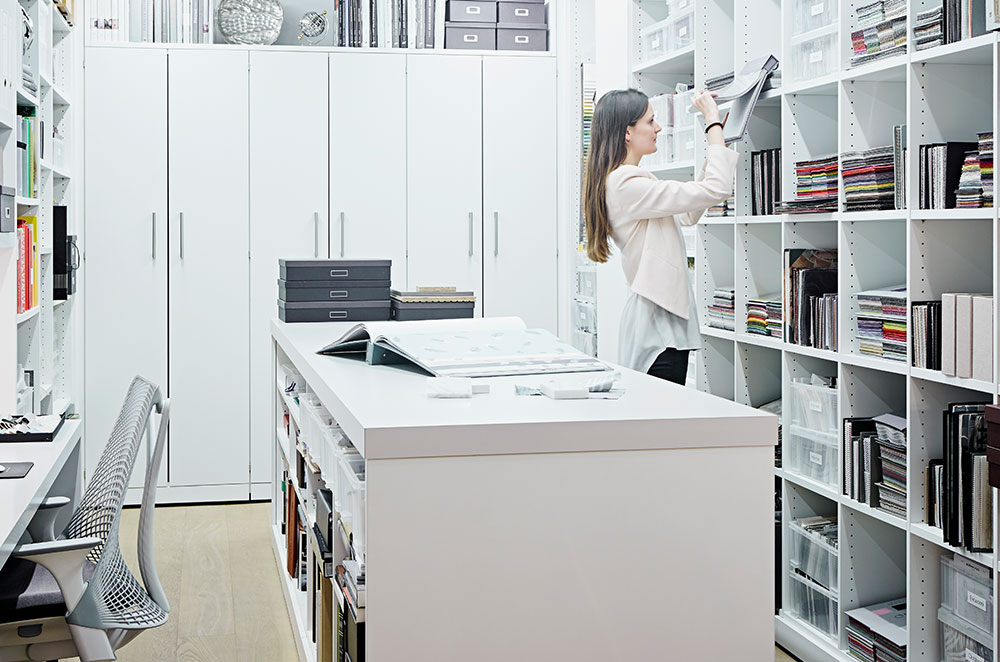
When selecting storage options, it’s crucial to consider varying mobility levels and height limitations. Ensure shelves and drawers are within easy reach for all employees, and opt for mobile units that can be repositioned easily.
Creating Restorative Spaces for Mental and Physical Well-being
Designating quiet areas within the office is essential for supporting employees' mental and physical well-being. These spaces offer an escape from the busyness of the workplace, allowing individuals to rest, reflect, or recover from stress. For some employees, particularly those who are neurodivergent or dealing with anxiety and fatigue, the opportunity to step away into a peaceful, private space can make a significant difference in their productivity and comfort.
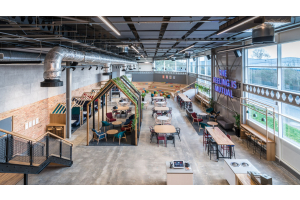
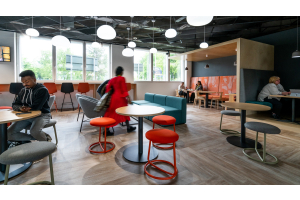
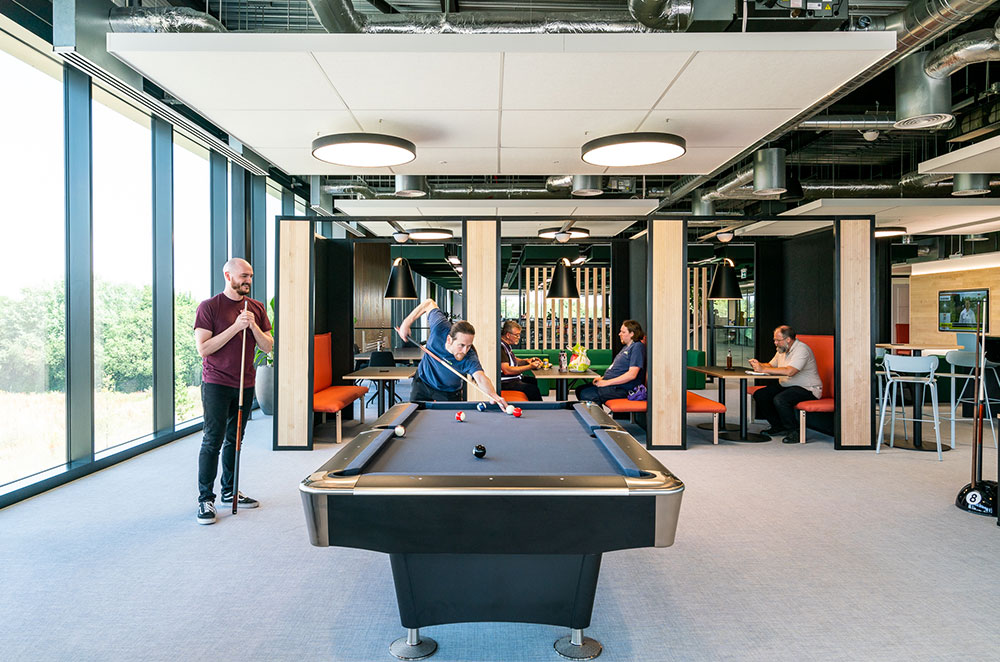
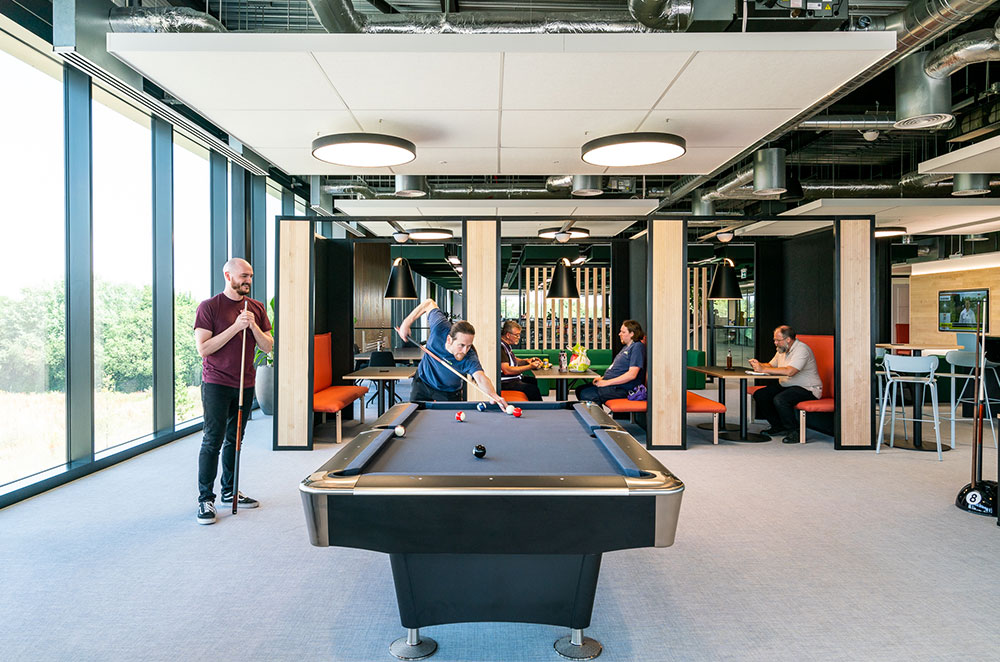
Recent Wagstaff installation where the architects and designers incorporated into their office design the employees' wellbeing and downtime.
Architects: John Pryor Associates, Design: Squaredot


Offering a Private Space to Work or Wind-Down
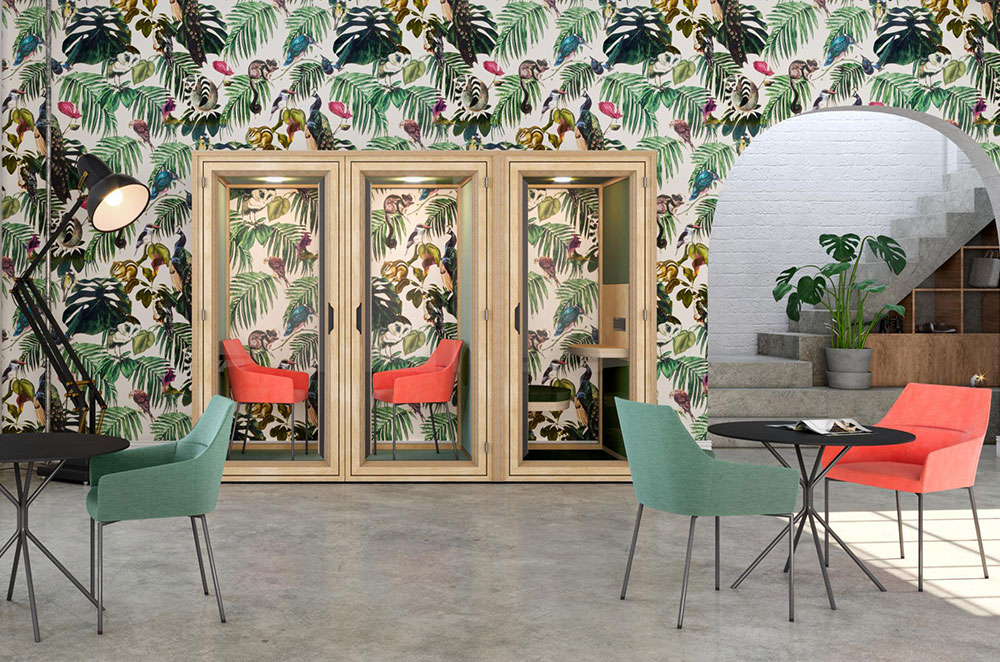
The Residence Work Pod (shown below is an ideal solution for creating these quiet zones. Acoustically sealed, it provides a distraction-free environment where employees can focus, take a mental break, or simply enjoy a moment of calm. Its compact design allows for easy integration into offices, offering much-needed privacy without consuming excessive space.
A Greener Finishing Touch
To further enhance the calming effect of these pods, incorporating biophilic design elements, such as plants and natural light, is recommended. Studies have shown that exposure to nature promotes relaxation and improves overall well-being.


Accessible Design Features for Physically Impaired Individuals
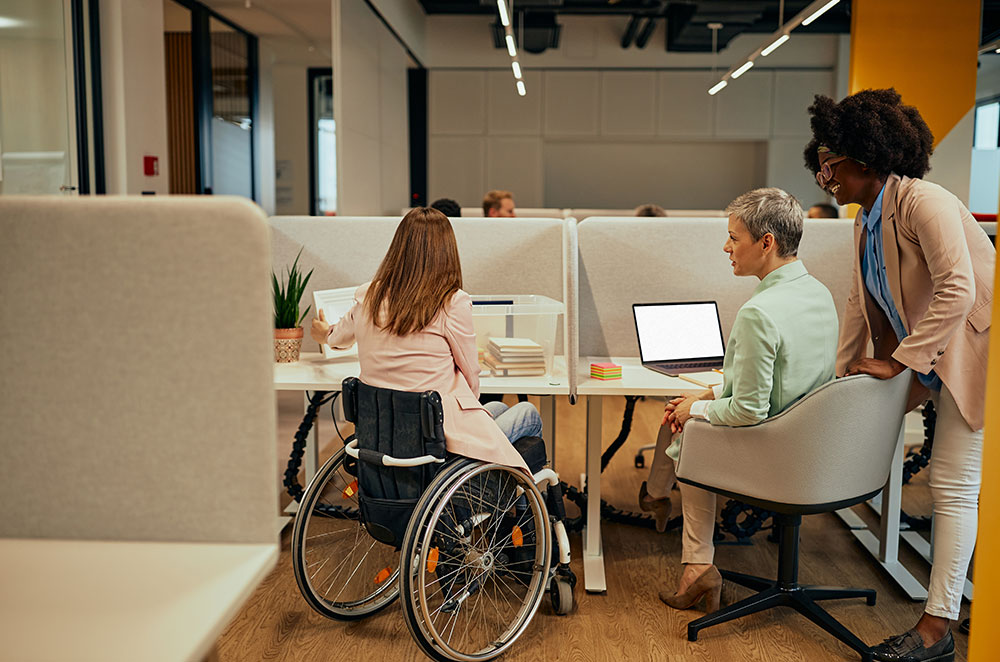
A key focus should be ensuring wheelchair accessibility throughout the office. This includes wider walkways, doorways that accommodate wheelchairs, and sufficient turning space in key areas such as meeting rooms and workstations. These considerations allow for free movement and ensure that employees can navigate the space without obstacles. Keep walkways free of clutter and ensure that furniture layouts allow for easy passage.

Furniture Solutions for Restricted Spaces
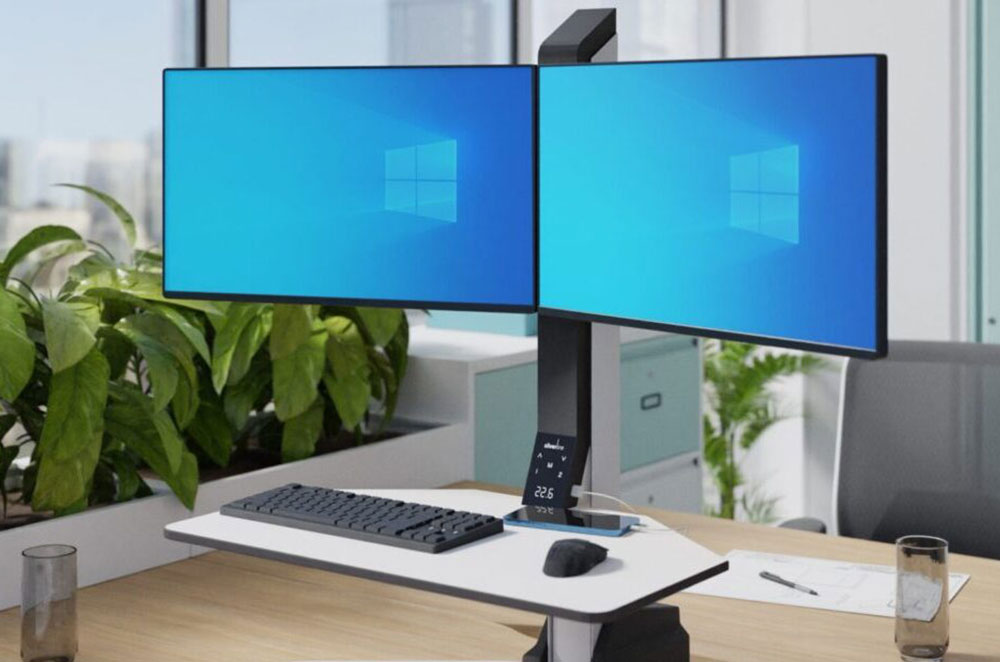
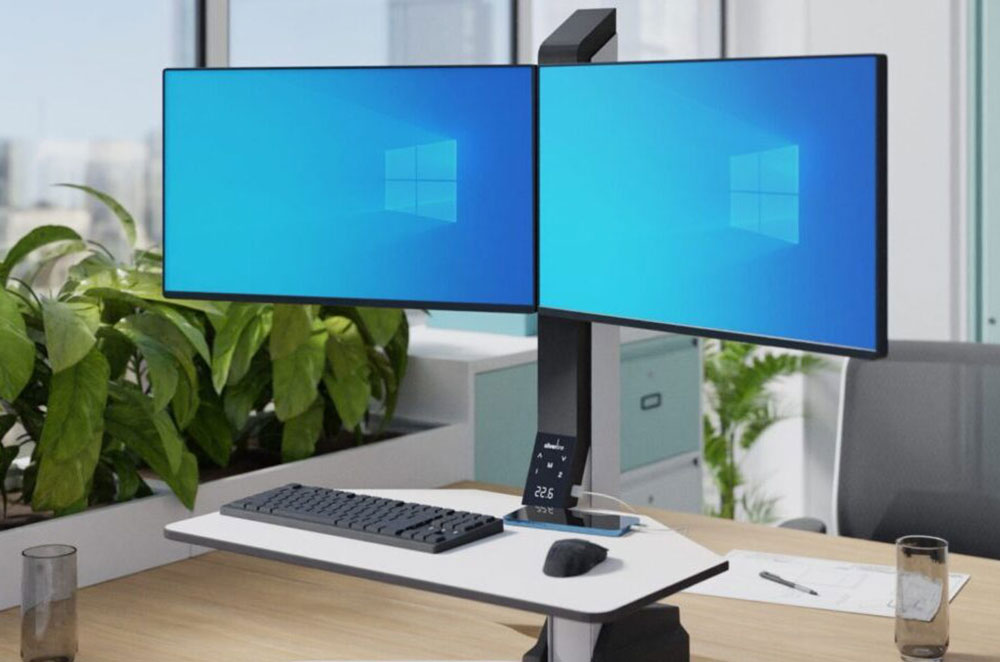
Desks that can be adjusted to different heights enable wheelchair users to set up their workspace at a comfortable level. The Freedom Sit-Stand Desk Riser (shown below) is a simple yet effective solution, allowing employees to turn any existing desk into a sit-stand station without the need for heavy or complex equipment. This desk riser is particularly useful in offices where a complete desk replacement isn’t feasible, providing flexibility and promoting better posture for all users, regardless of their physical capabilities.
Some Additional Considerations
Furniture should also be easy to operate, with accessible handles, levers, or buttons that don't require excessive force. Adjustable chairs, desks, and storage units can all contribute to a more inclusive environment by allowing users to tailor their workspace to their specific needs. Shelves and storage units should be positioned at heights that are accessible for people using wheelchairs, reducing the need for bending, stretching, or standing on tiptoe.
Wagstaff installation: Cleary Gottlieb Steen & Hamilton.
Architects: Perkins & WIll


Supporting Working Parents – Designs for Families
Workspaces that support working parents must consider the unique challenges of juggling work and family life. Family-friendly features, such as dedicated breastfeeding rooms, child-safe areas, and flexible workstations, can make a significant difference for employees who need to bring infants or young children to the office. These spaces should offer privacy and comfort, allowing parents to manage both work and caregiving without undue stress.
Incorporating a Family Zone Into Your Office
These areas should include soft, wipe-clean surfaces and child-safe storage, offering a practical and safe environment for parents who occasionally need to bring their children to work. Easy-to-clean furniture and thoughtful design elements can create a space where parents can manage both tasks without disruption.
By providing family-friendly features, businesses can create an inclusive environment that supports the needs of parents, helping them to balance work responsibilities with family commitments more effectively.
Investing in an Inclusive Future


Creating inclusive workspaces that accommodate the diverse needs of employees is essential for fostering productivity, well-being, and a sense of belonging. From ergonomic desks to accessible storage and restorative spaces, thoughtful design can make a real difference in how people work and interact within an office.
Wagstaff is committed to providing innovative, inclusive furniture and interior solutions that support businesses in building environments where everyone can thrive. As you plan your office design, consider how it can be more accessible, flexible, and welcoming for all employees, ensuring a workspace that truly works for everyone.