 Free and Next Day Delivery*
 Up to 10 Year Warranty
 Installation Available
 Instant Credit - Apply
#wagstaffinsights
-
- February 24, 2025
An effective office layout improves productivity, supports well-being, and encourages collaboration. With hybrid working now common, adaptable spaces that balance focus and interaction are essential in-office and from home.
It’s also important that those working from home have a working environment that is fit for purpose. With the right equipment, home offices can even have a beneficial impact on productivity and team morale.
A well-planned environment gives employees the freedom to work comfortably while meeting business needs – and smart furniture placement can make the difference between a workspace that hinders and one that helps your team succeed.
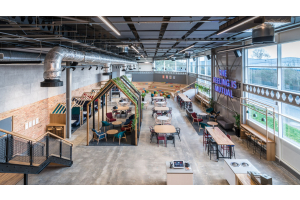
Photo: Nationwide, Ramsbury House - Wagstaff furniture installation
The Core Areas of an Office Layout
Workstations and Individual Desks
Workstations require careful consideration to support productivity and comfort. Ergonomic desks and chairs are essential. They offer adjustable features to suit different body types and working styles.
-
- January 09, 2025
For many business owners and self-employed professionals, understanding which expenses can be claimed is key to managing finances effectively. But what about office furniture? The answer lies in the rules set by HMRC, which allow businesses to deduct certain costs, provided they meet specific criteria. Knowing how to claim these expenses correctly can help reduce your taxable income and optimise your financial strategy.
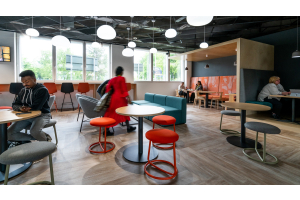
Photo: Manchester Airport Group (MAG) - Wagstaff furniture installation
Office Furniture Expenses for the Self-Employed
Self-employed individuals can claim office furniture as an allowable business expense, helping to reduce their taxable profits. To qualify, the furniture must be essential for the operation of the business and used exclusively for work purposes. This means items like desks, chairs, filing cabinets, and shelves designed to organise work materials are generally deductible.
HMRC’s Rules on Personal Use
If the furniture is used for both business and personal
-
- December 16, 2024
Ergonomic office furniture is designed to adapt to the needs of the user. Unlike standard furniture, it prioritises physical well-being, supporting the body’s natural posture and movement to reduce the strain that often leads to workplace-related injuries like back pain, neck tension, and repetitive strain.
Hybrid working has reshaped how we use office spaces, emphasising the need for designs that support well-being and efficiency. In this guide, we will take you through exactly what makes a piece of office furniture ergonomic, and what to look out for when purchasing for your workplace.
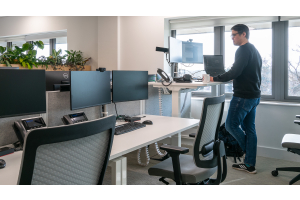
Photo: Wagstaff fit-out and furniture installation - Charles Stanley
Some Examples of Ergonomic Furniture
Common types of ergonomic furniture include adjustable chairs with lumbar support to encourage proper spinal alignment, sit-stand desks that allow seamless shifts between sitting and standing, and monitor arms that position screens at eye level to minimise neck strain.
Ergonomic keyboards and wrist
-
- November 10, 2024
Inclusive Design Strategies for a Diverse Workforce
Inclusive and well-designed workspaces cater to everyone, removing barriers and supporting all employees – from parents with young children to people with physical impairments and neurodivergent individuals. Interior design plays a key role in ensuring accessibility, productivity, and comfort, and Wagstaff is dedicated to creating practical, inclusive solutions across multiple sectors.
Ergonomic Solutions for a Diverse Workforce
Adjustable, ergonomic furniture is essential for creating workspaces that support employees with different physical needs. The Air Height Adjustable Desk, for example, allows users to easily switch between sitting and standing positions, promoting better posture and reducing physical strain. This flexibility is especially valuable for people of varying heights or those with mobility challenges.
With features like memory presets, users can save their preferred desk height, making it quick to adjust for multiple
-
- November 10, 2024
Modern Workspace Design - A Guide for Small Businesses
A Small Business Owner’s Guide to Modern Office Design
The modern workspace has undergone a significant transformation, especially for small businesses. As the lines between home and office blur, the demand for flexible, multifunctional spaces has surged. Small businesses now face the challenge of creating environments that are both efficient and reflective of their unique culture and values.
For this reason, Wagstaff has curated various furniture ranges for each of the major design styles found in modern workplaces – and coupled with this comprehensive guide for small business owners, the approach to finding the right style and implementing it is straightforward.