 Free and Next Day Delivery*
 Up to 10 Year Warranty
 Installation Available
 Instant Credit - Apply
Health and Wellbeing
-
- December 16, 2024
Ergonomic office furniture is designed to adapt to the needs of the user. Unlike standard furniture, it prioritises physical well-being, supporting the body’s natural posture and movement to reduce the strain that often leads to workplace-related injuries like back pain, neck tension, and repetitive strain.
Hybrid working has reshaped how we use office spaces, emphasising the need for designs that support well-being and efficiency. In this guide, we will take you through exactly what makes a piece of office furniture ergonomic, and what to look out for when purchasing for your workplace.
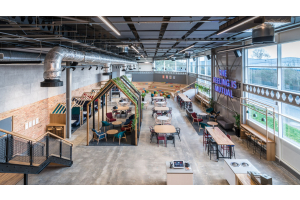
Photo: Wagstaff fit-out and furniture installation - Charles Stanley
Some Examples of Ergonomic Furniture
Common types of ergonomic furniture include adjustable chairs with lumbar support to encourage proper spinal alignment, sit-stand desks that allow seamless shifts between sitting and standing, and monitor arms that position screens at eye level to minimise neck strain.
Ergonomic keyboards and wrist
-
- November 10, 2024
Inclusive Design Strategies for a Diverse Workforce
Inclusive and well-designed workspaces cater to everyone, removing barriers and supporting all employees – from parents with young children to people with physical impairments and neurodivergent individuals. Interior design plays a key role in ensuring accessibility, productivity, and comfort, and Wagstaff is dedicated to creating practical, inclusive solutions across multiple sectors.
Ergonomic Solutions for a Diverse Workforce
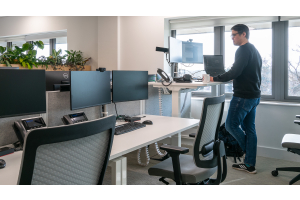
Adjustable, ergonomic furniture is essential for creating workspaces that support employees with different physical needs. The Air Height Adjustable Desk, for example, allows users to easily switch between sitting and standing positions, promoting better posture and reducing physical strain. This flexibility is especially valuable for people of varying heights or those with mobility challenges.
With features like memory presets, users can save their preferred desk height, making it quick to adjust for multiple
-
- November 10, 2024
Modern Workspace Design - A Guide for Small Businesses
A Small Business Owner’s Guide to Modern Office Design
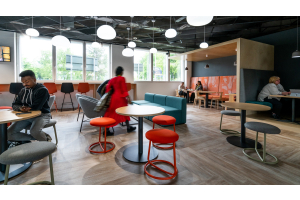
The modern workspace has undergone a significant transformation, especially for small businesses. As the lines between home and office blur, the demand for flexible, multifunctional spaces has surged. Small businesses now face the challenge of creating environments that are both efficient and reflective of their unique culture and values.
For this reason, Wagstaff has curated various furniture ranges for each of the major design styles found in modern workplaces – and coupled with this comprehensive guide for small business owners, the approach to finding the right style and implementing it is straightforward.
-
- August 09, 2024
Biophilic Design for Neurodiverse Employee Well-being
Originating from the term ‘biophilia,’ which means ‘love of life and nature,’ biophilic interior design seeks to incorporate natural elements into built environments, bridging the gap between the indoors and the great outdoors. This design philosophy leverages elements such as natural light, vegetation, water features, and natural materials to create spaces that promote health and well-being.
As we explore the principles and applications of biophilic design in this guide, we'll demonstrate how these natural elements can be seamlessly integrated into workspaces to support the well-being and productivity of all employees, with a special focus on the unique needs of neurodiverse individuals.
Main Photo: Wagstaff fit-out project - University of East London, Stratford Campus - Reception Area
The Importance of Supporting Neurodiversity in the Workplace
Neurodiversity promotes the understanding that mental variations are part of normal
-
- April 18, 2023
Benefit of colour in the workplace for neurodiverse employees
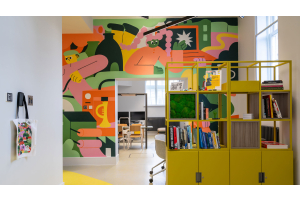
The use of colour in the workplace can have a profound impact on the well-being and productivity of neurodiverse employees.
Neurodiversity is a term used to describe the natural variation in human brain function and development, including conditions such as Autism, ADHD, Dyslexia, and others.
These conditions can present challenges in traditional work environments, but colour can be a powerful tool to help create a more inclusive and supportive workplace for neurodiverse employees.
Improve mood and productivity
One of the most significant benefits of colour in the workplace is its ability to improve mood and productivity.
Colours have been shown to have a psychological impact on our emotions and behaviour, and certain colours can help promote feelings of calmness, focus, and creativity
For example, blue is a colour that is often associated with calmness and tranquillity, while yellow is a colour that is associated with energy,