 Free and Next Day Delivery*
 Up to 10 Year Warranty
 Installation Available
 Instant Credit - Apply
Can Office Furniture be Expensed?
For many business owners and self-employed professionals, understanding which expenses can be claimed is key to managing finances effectively. But what about office furniture? The answer lies in the rules set by HMRC, which allow businesses to deduct certain costs, provided they meet specific criteria. Knowing how to claim these expenses correctly can help reduce your taxable income and optimise your financial strategy.
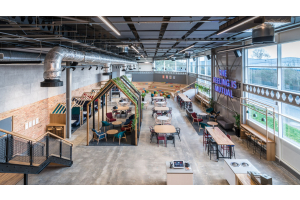
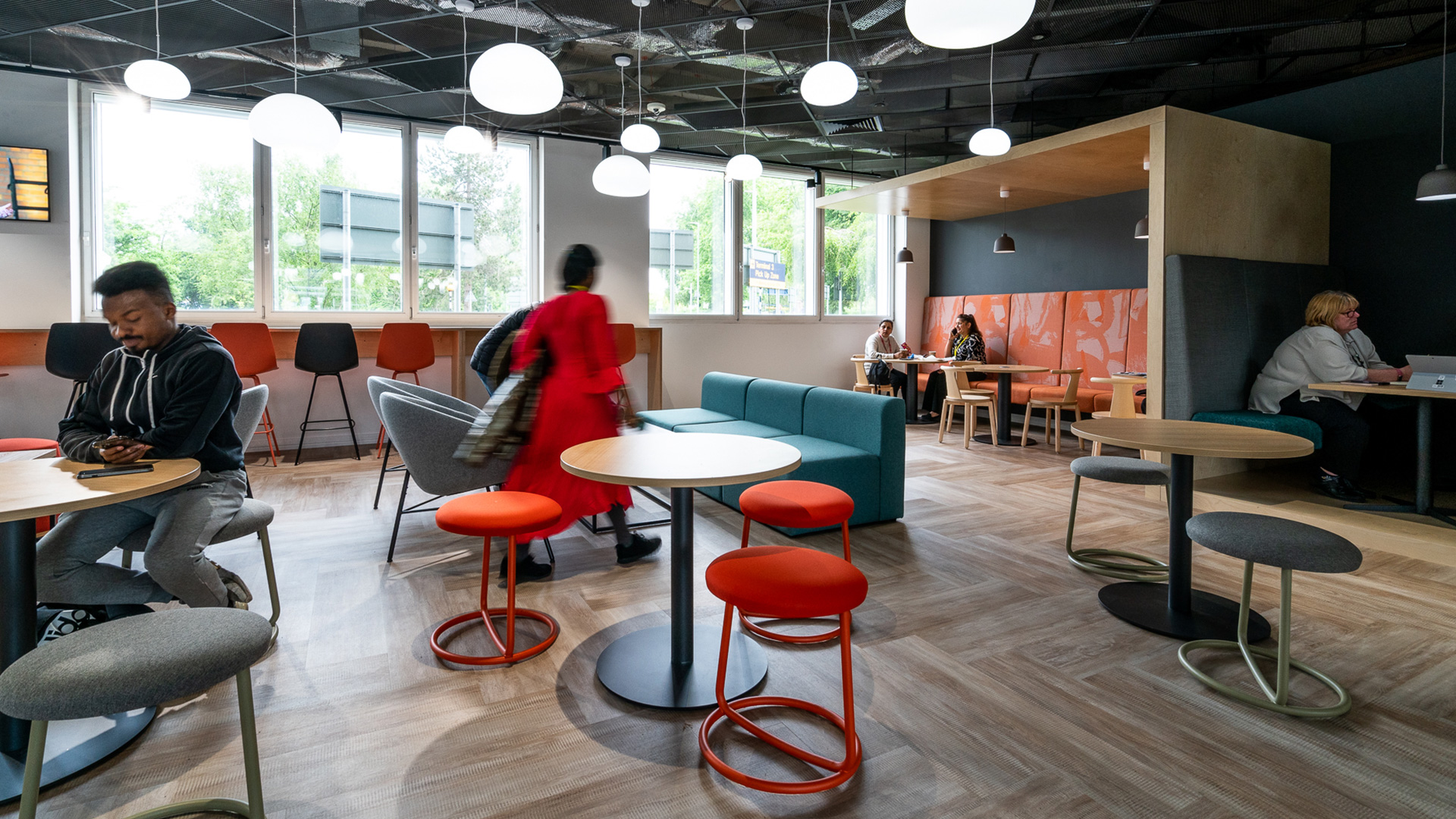
Photo: Manchester Airport Group (MAG) - Wagstaff furniture installation
Office Furniture Expenses for the Self-Employed
Self-employed individuals can claim office furniture as an allowable business expense, helping to reduce their taxable profits. To qualify, the furniture must be essential for the operation of the business and used exclusively for work purposes. This means items like desks, chairs, filing cabinets, and shelves designed to organise work materials are generally deductible.
HMRC’s Rules on Personal Use
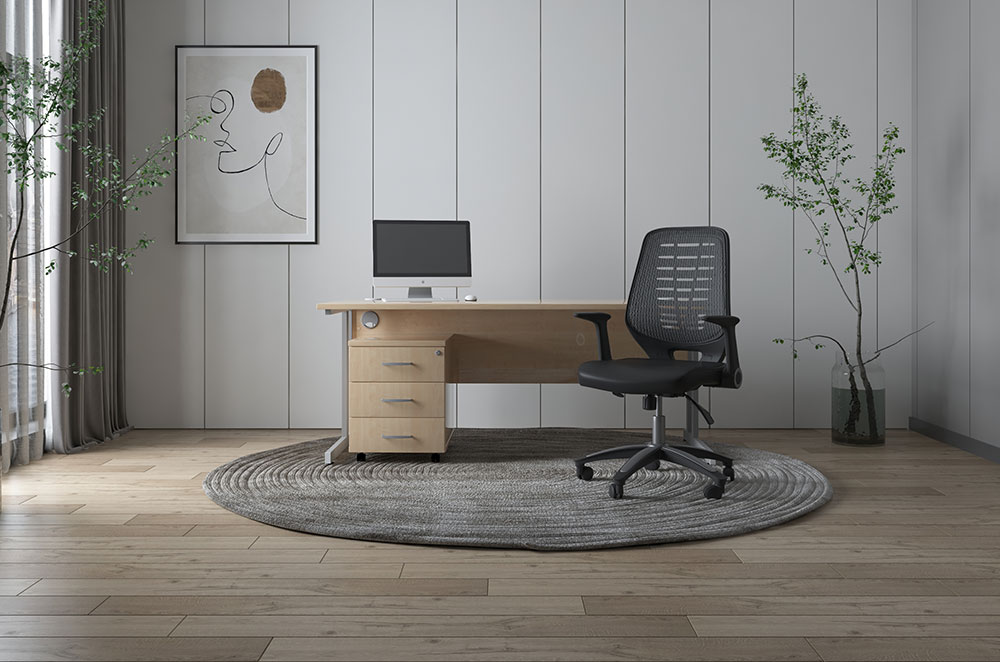
If the furniture is used for both business and personal purposes, you can only claim a proportion of the cost that corresponds to its business use. For example, a desk in a home office used solely for work can be fully expensed, but if it doubles as a family workspace, only the work-related portion is allowable.
What to Remember
Claiming office furniture as an expense can significantly reduce taxable profits, easing the financial burden of self-employment. When filing a tax return, these expenses fall under ‘allowable expenses’ – and accurate record-keeping is essential. Always keep receipts and ensure you can justify the claim if HMRC queries it.
Office Furniture Expenses for Limited Companies
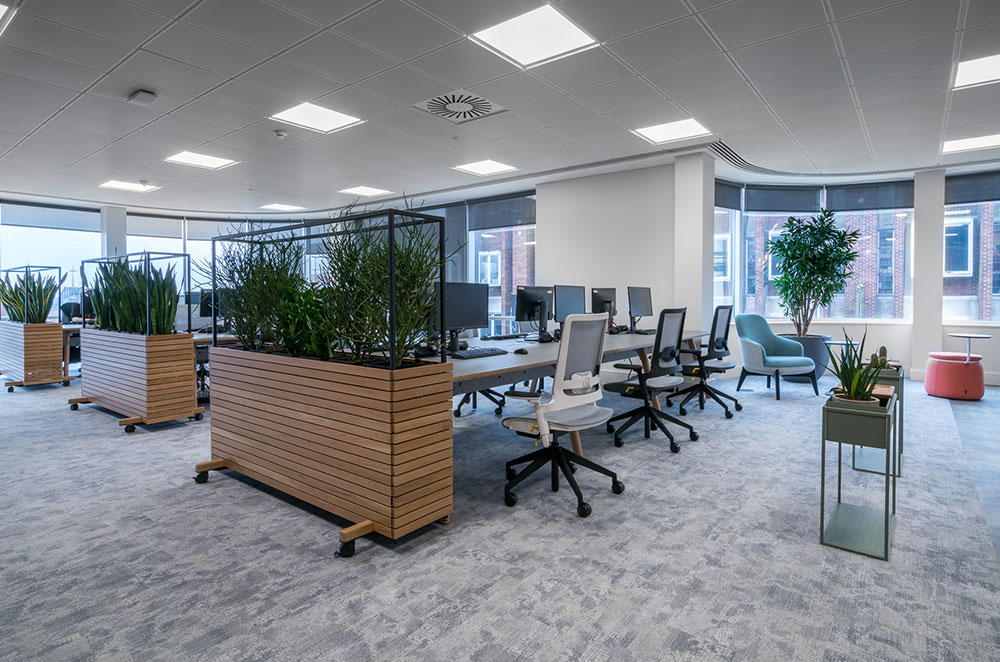
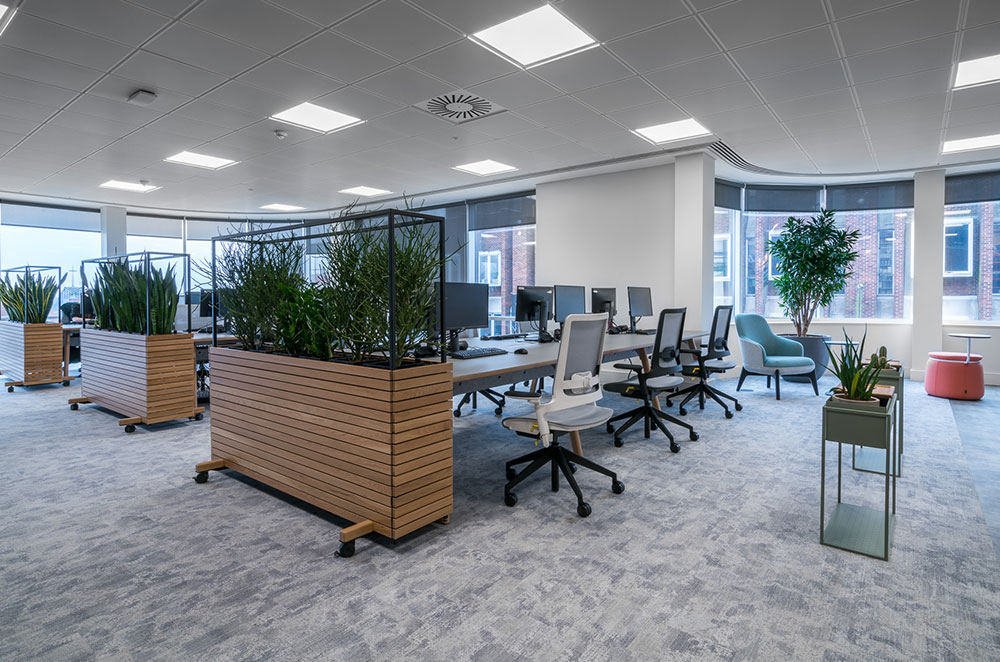
Limited companies can claim office furniture expenses, but the process differs slightly from that of self-employed individuals. Office furniture purchased for the business, such as desks, chairs, storage units, or meeting room furniture, is typically classified as a capital asset. This means it is considered a long-term investment rather than a day-to-day running cost.
Capital assets are eligible for capital allowances, which allow companies to deduct the cost of these items from their profits before tax. Most office furniture qualifies for the Annual Investment Allowance (AIA), which lets businesses claim up to £1 million of expenditure on qualifying assets in a single tax year. This can significantly reduce taxable profits and ease the financial impact of furnishing an office.
Accurate Record-Keeping Is Essential
To ensure compliance with tax laws, companies must maintain detailed records of furniture purchases, including receipts and any relevant invoices, to substantiate their claims. Businesses should also track the depreciation of these assets over time, as this affects their residual value and future accounting.
What to Remember
While the rules for claiming capital allowances are relatively straightforward, consulting an accountant or tax professional can help businesses maximise their claims. Ensuring that all expenses are correctly categorised and compliant with HMRC regulations protects the company from potential penalties and ensures tax efficiency.
Providing Office Furniture for Employees
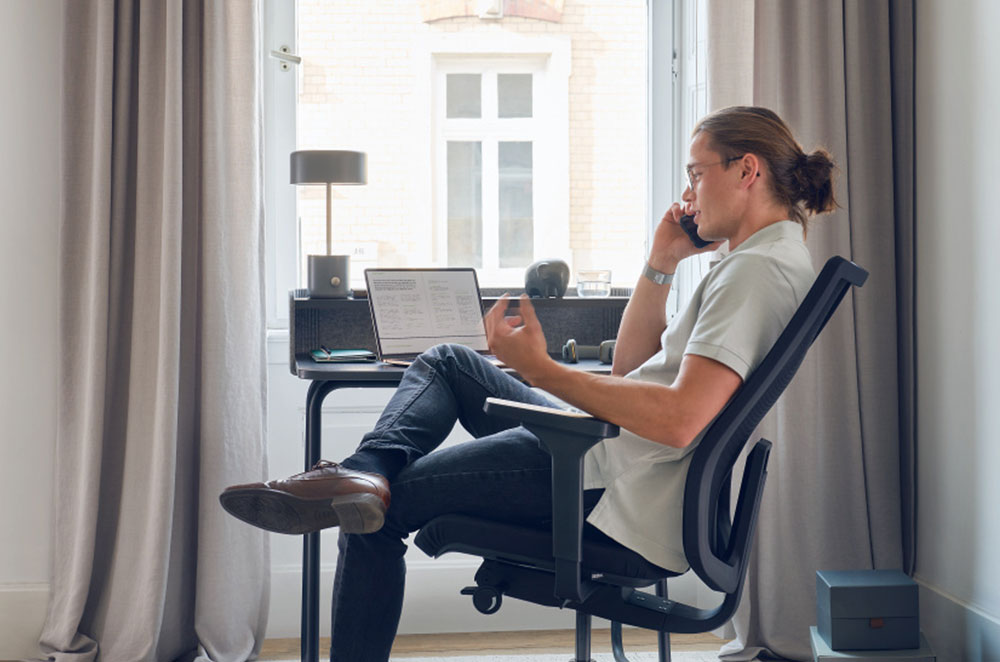
As hybrid and remote working becomes the norm, many employers are supplying office furniture to employees to ensure their workspaces are comfortable and productive. HMRC allows businesses to provide office furniture tax-free, as long as private use is insignificant, and the items are primarily for business purposes. This provision ensures employees can carry out their roles effectively without additional tax implications for either party.
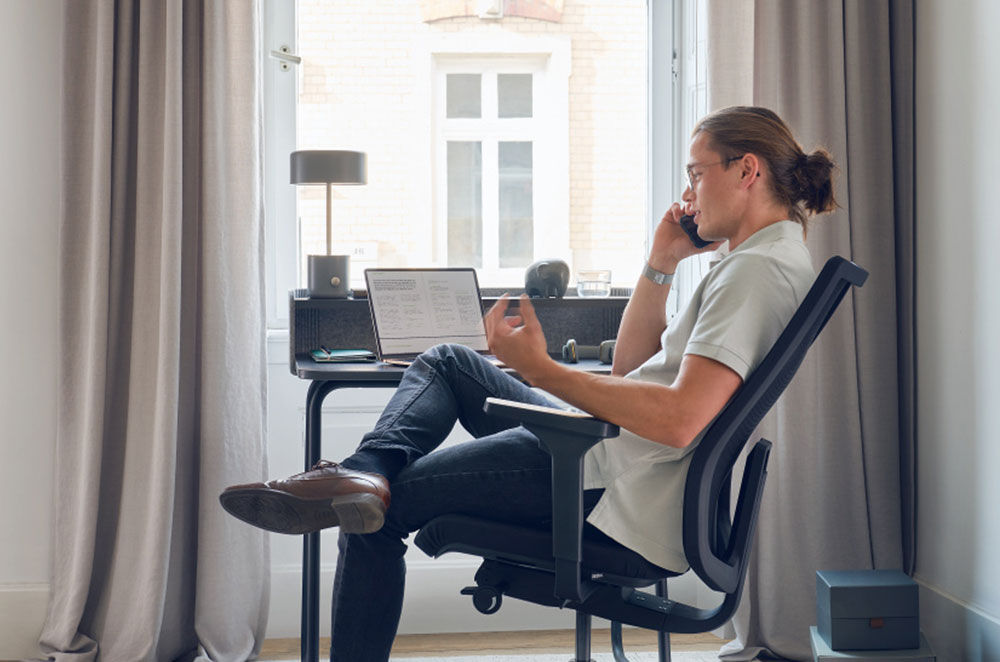
For example, if an employer supplies a desk and chair for an employee’s home office, these items can remain tax-free provided they are used mainly for work. Employers must take care to distinguish between business and personal use, as significant personal use could lead to the furniture being treated as a taxable benefit-in-kind, which may increase the employee’s tax liability.
Maintain Clear Policies and Agreements
Documenting that the furniture is supplied for business purposes and retaining ownership of the items can avoid complications. Employers should also educate employees on the proper use of provided furniture to ensure adherence to these terms.
Four Tips for Expensing Office Furniture Correctly
Expensing office furniture can provide valuable tax benefits, but it’s important to follow the correct procedures to ensure compliance with HMRC rules. Here are some practical tips to make the process smoother and avoid common pitfalls:
1. Keep Detailed Records
Always retain receipts, invoices, and documentation for every furniture purchase. Accurate records are essential if HMRC requests evidence to substantiate your claims. Include details such as the item’s purpose and its intended use in your business accounts.
For added convenience, creating an account with Wagstaff allows you to access and download all your invoices directly from our online portal. This simplifies record-keeping, ensures your documents are always organised, and makes it easier to retrieve proof of purchase whenever needed.
2. Consult a Tax Professional
Tax rules can be complex, especially when distinguishing between business and personal use or navigating capital allowances. Consulting an accountant or tax adviser can help you maximise deductions while staying compliant. Professionals can also provide tailored advice if your business has unique circumstances.


3. Avoid Claiming for Personal Use
Office furniture must be used primarily for business purposes to qualify as an expense. Claiming for items with significant personal use can lead to disputes with HMRC and potential penalties. For hybrid use cases, calculate the percentage used for business and only claim that portion.
4. Understand Depreciation and Allowances
If the furniture is a capital asset, account for depreciation and ensure it is categorised correctly in your books. This is particularly relevant for limited companies.
Wagstaff’s Role in Supporting Businesses
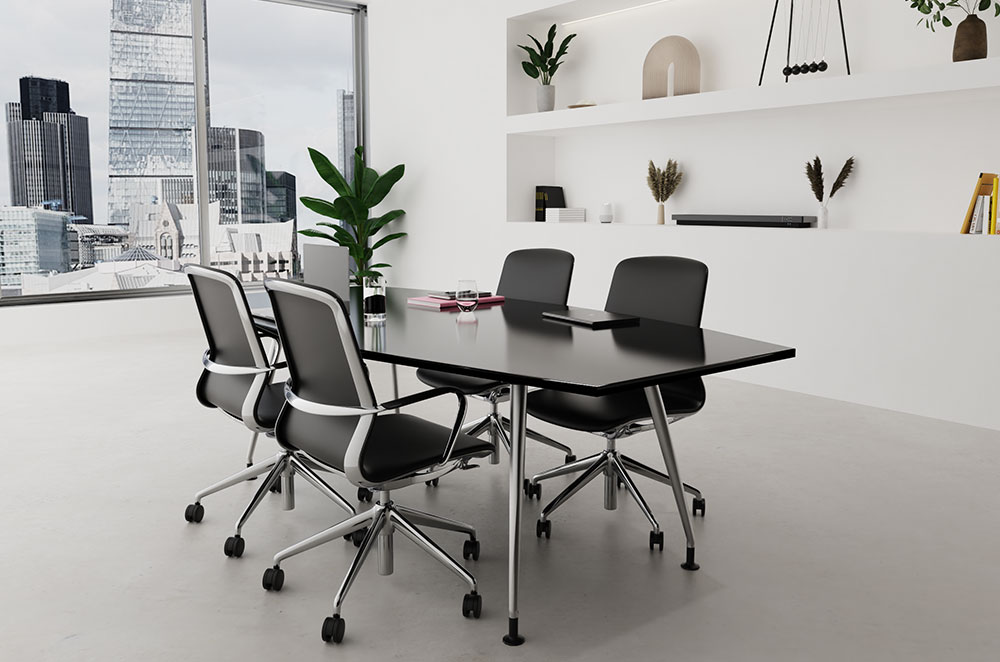
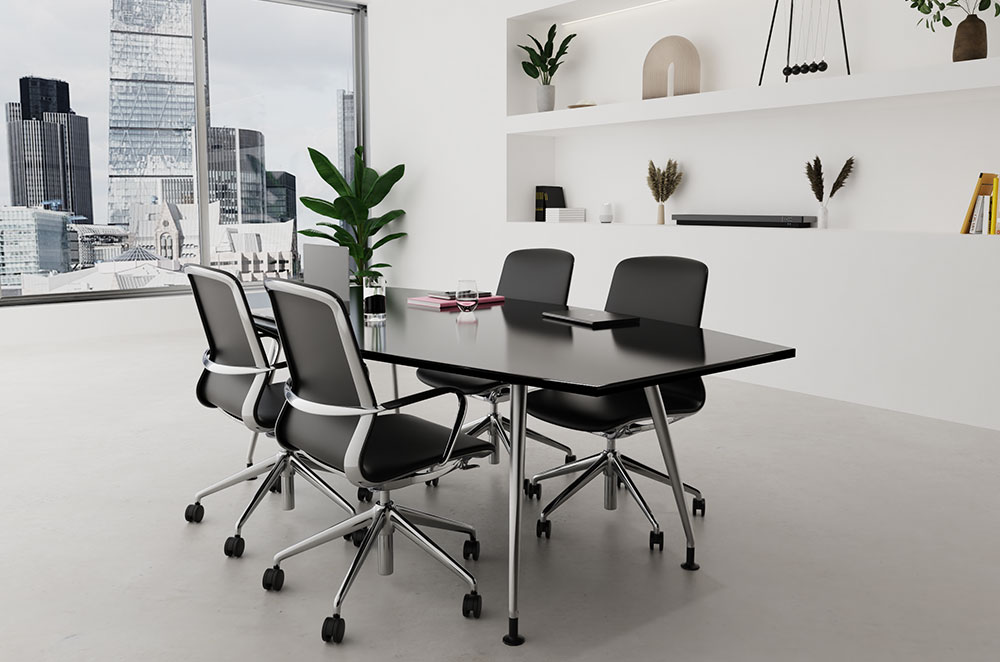
Whether you’re setting up a home office for remote employees or outfitting your new office, we have a wide range of products to meet your needs.
The Role of DSE Assessments When Expensing Office Furniture
The Health and Safety (Display Screen Equipment) Regulations 1992 require employers to assess workstations, including home office setups, to minimise risks like musculoskeletal issues or eye strain. Conducting a Display Screen Equipment (DSE) assessment ensures that furniture such as desks and chairs are suitable, safe, and ergonomically sound.
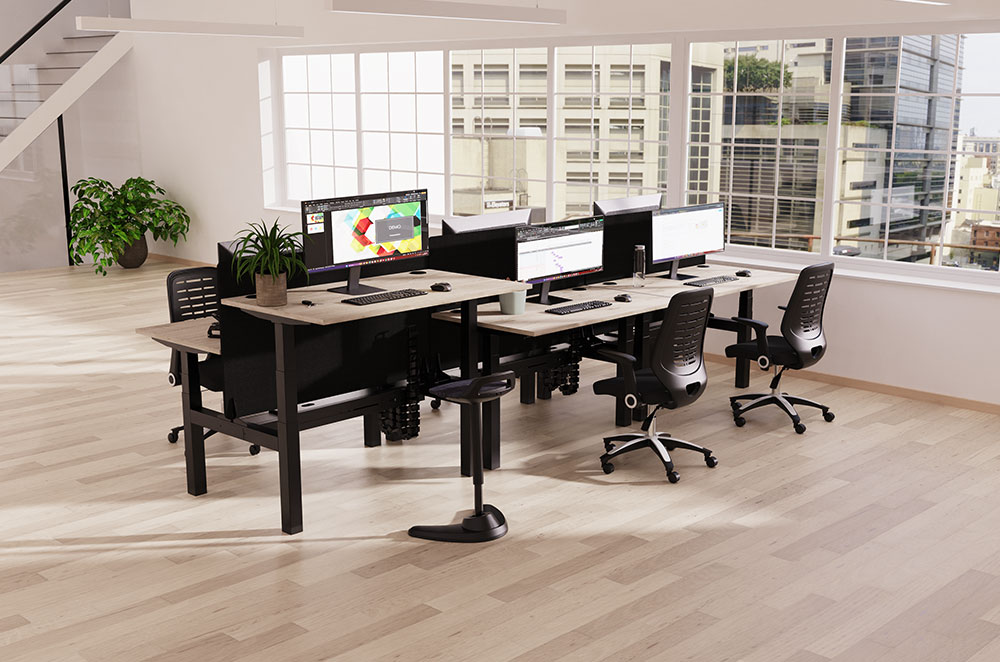
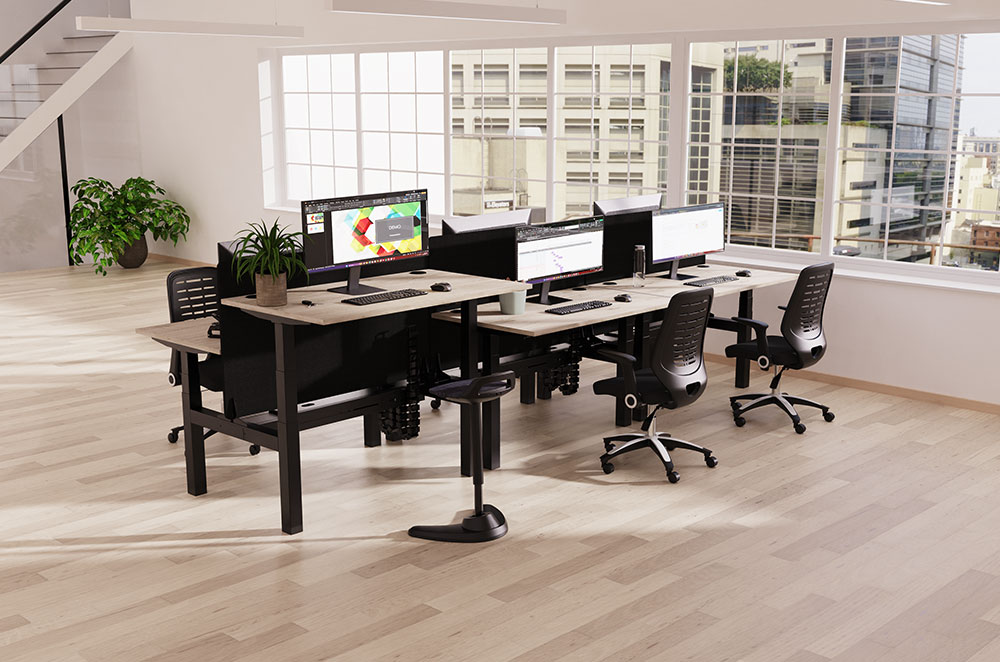
Wagstaff can assist by providing furniture solutions that align with DSE standards, from ergonomic chairs to height-adjustable desks. This ensures your investment in office furniture supports both compliance and employee health, making it easier to justify these expenses under HMRC guidelines.
Take the Next Step Today
Expensing office furniture is a practical way to manage business costs while creating comfortable, efficient workspaces. Whether you’re self-employed, running a limited company, or equipping employees for remote work, understanding the rules around allowable expenses can help you maximise tax benefits while staying compliant.
Find the furniture you need for you and your employees.