 Free and Next Day Delivery*
 Up to 10 Year Warranty
 Installation Available
 Instant Credit - Apply
Neurodiversity - The unique way people's brains work

'Everyone has a different way of experiencing and interacting with the world around them'
Its Neurodiversity Celebration Week, this is a worldwide initiative to highlight the challenges neurodiverse people face in everyday life.
Wagstaff are passionate about creating a workplace or learning environment to allow all users to achieve their full potential and use their unique skills.
Neurodiversity, we hear this term a lot but what does it actually mean and what is the difference between neurodivergent and neurotypical people?
What is Neurodiversity?
“Neurodiversity” is a word used to explain the unique way people's brains work. While everyone's brain develops similarly, no two brains function alike. Being neurodivergent means having a brain that works differently from the average or “neurotypical” person.
Everyone has a different way of experiencing and interacting with the world around them. There is no right way or “normal way” of learning, thinking or behaving. These differences should be viewed as advantages to the work force.
It's important for all of us to create an environment that is inclusive to all people no matter the neurodiversity, and to recognise and emphasise everyone’s individual strengths and abilities whilst providing support for their everyday needs.
Neurodivergent – An umbrella of different conditions
Those who are neurodivergent, as stated earlier operate differently to
others due to an umbrella of different conditions. They may have
different social preferences, ways of learning and communicating,
processing information or just different ways of perceiving their
environment. Again, no two brains function alike.
It’s estimated more than 15% of the UK are neurodivergent.
Key triggers from the sensory side include stimuli such as light, sound,
smell and touch, as well as processing function like information, fonts
and data overload. Developing a workplace or learning environment to accommodate all users is key so not one individual should feel singled
out, this approach leads to having a productive environment for education
and fully formed work placed teams that function better.
As Wagstaff, we can provide the biggest impact through design and
product selection in how users interact and function in their environments.
Using a Human Centred Design approach, we can provide the most
inclusive environments for all neurodiverse individuals allowing them
to flourish, enhancing their skillset and 'superpowers'.
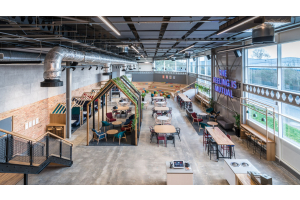
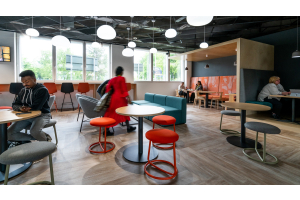
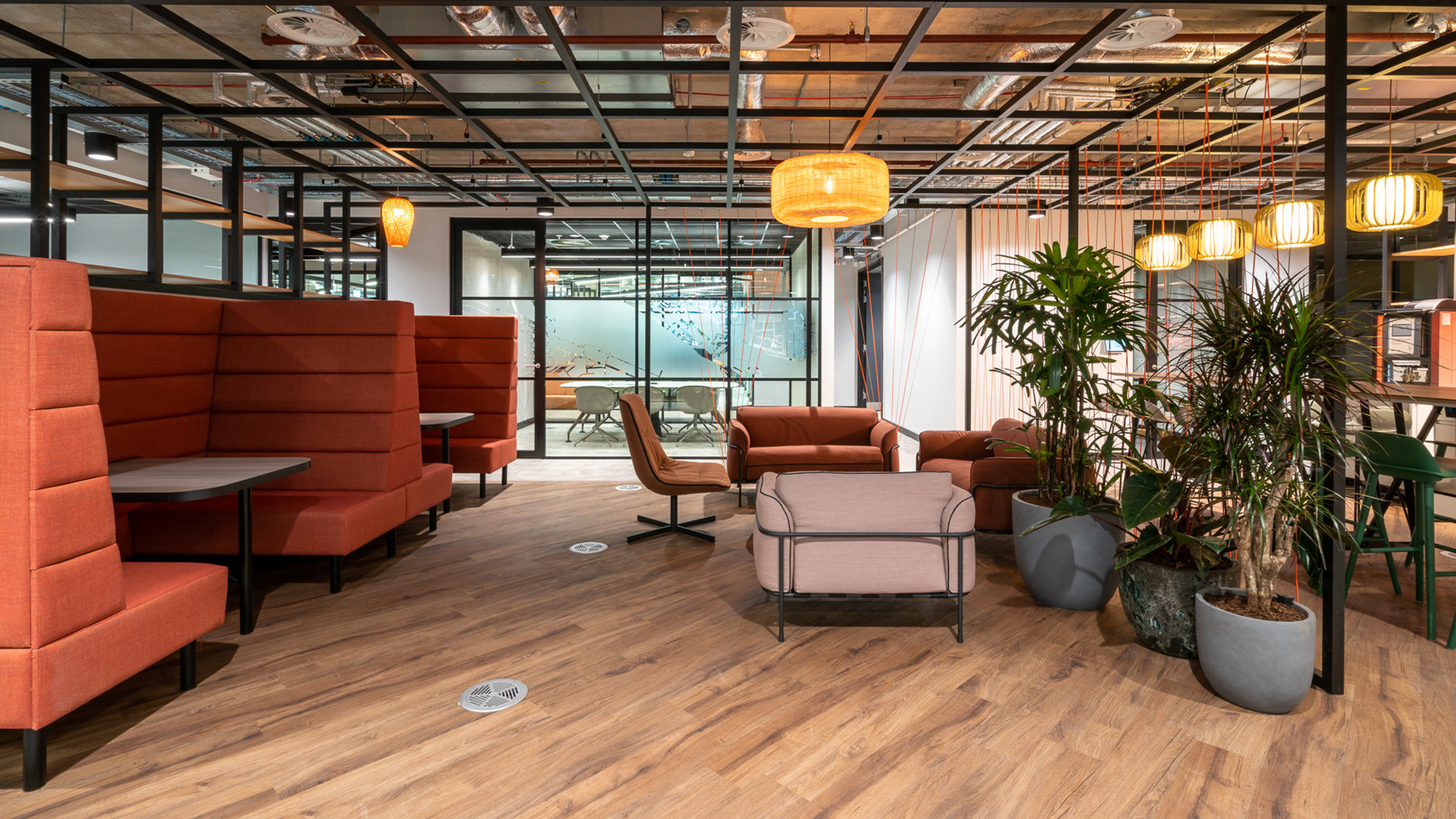
Design which is both sensory and inclusive for all
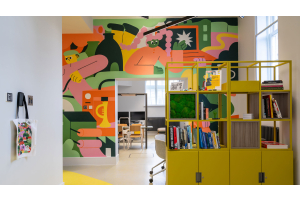
The most common environmental issue is sensitivity to surroundings, this could be over or under stimulated by factors such as lighting, sound, texture, patterns, layouts, smells, temperature, air quality, social interactions or the overall sense of privacy and security.
Providing users with a choice of environments enables them to
effectively manage their own needs with independence and dignity.
Keep your eyes out for more blogs on each topic of inclusive design.
Author: Lianne Gray
Explore our range of products
-
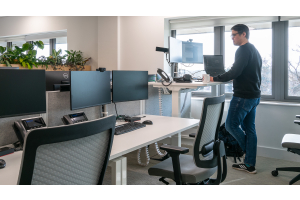
 Nova U 2 Person Bench Desk 1440(d)Excl. VAT from £336.00Incl. VAT from £403.20