 Free and Next Day Delivery*
 Up to 10 Year Warranty
 Installation Available
 Instant Credit - Apply
Beautiful White Noise
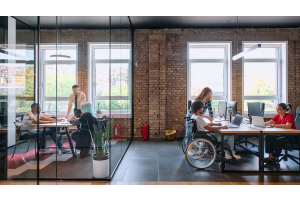
'White noise can also be a useful tool for improving the acoustics of a workspace'
In recent years, there has been a growing recognition of the importance of designing workplaces that are inclusive of neurodiverse individuals. Neurodiversity refers to the idea that there is a natural variation in the human brain, and that conditions such as autism, ADHD, and sensory processing disorder are not necessarily disabilities, but rather differences that should be accepted and accommodated. When it comes to designing workplaces that are inclusive of neurodiverse individuals, one important consideration is sensory design, especially acoustics.
People with conditions such as autism, ADHD, and sensory processing disorder can have heightened sensitivity to noise and other sensory stimuli. For example, individuals with autism may experience difficulty filtering out background noise and may find it overwhelming, while those with sensory processing disorder may be hypersensitive to certain sounds or frequencies. Therefore, it's important to understand the specific needs of neurodiverse individuals when designing the acoustics of a workspace.
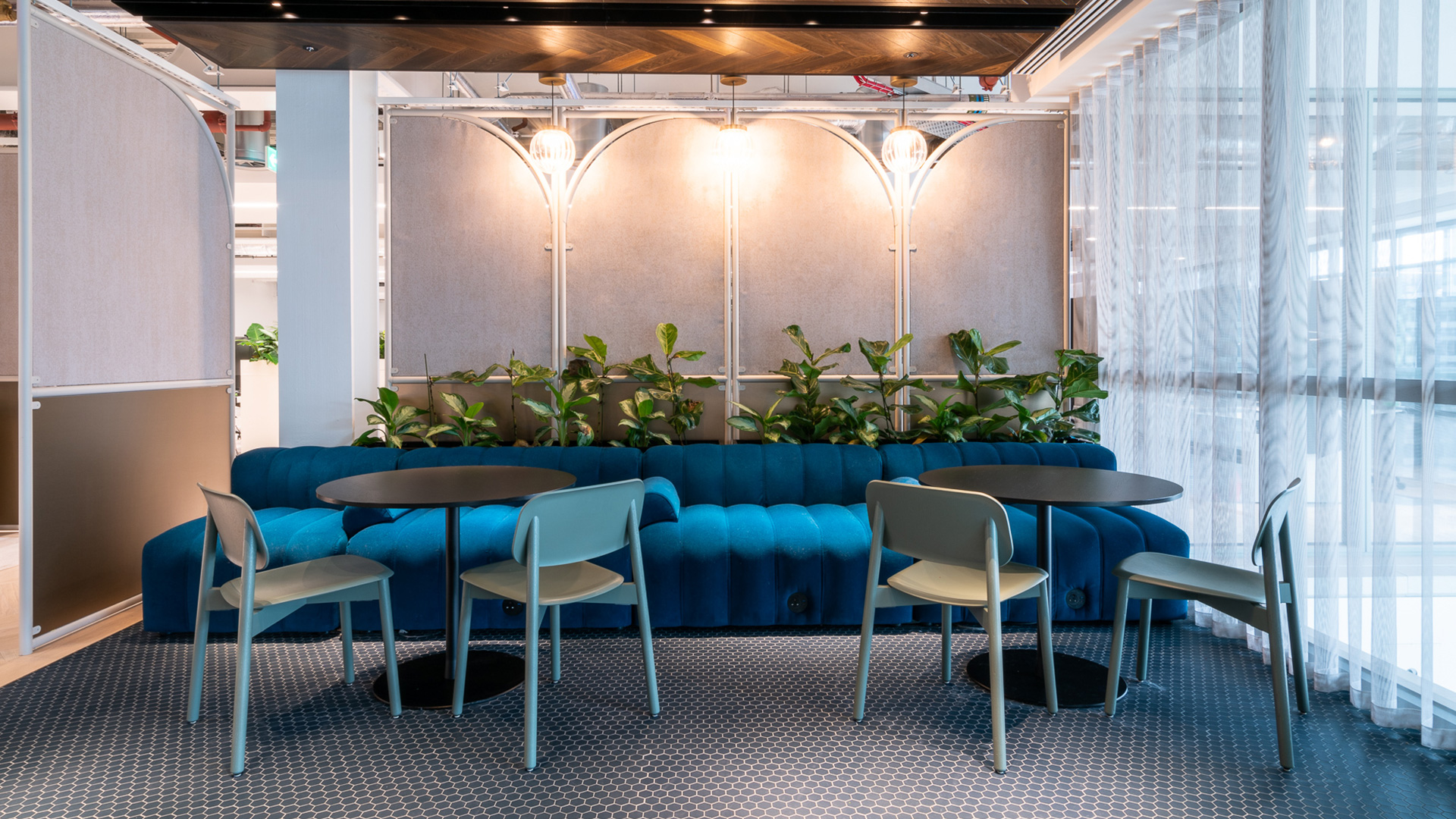
One way to improve the acoustics of a workspace is to use sound-absorbing materials. Materials such as carpets, curtains, and acoustic panels can help to reduce noise levels and create a more peaceful environment. This can be especially important in open-plan offices where there is often a lot of background noise from conversations, ringing phones, and other distractions. By using sound-absorbing materials, you can create a more comfortable environment for all employees, including those who are neurodiverse.
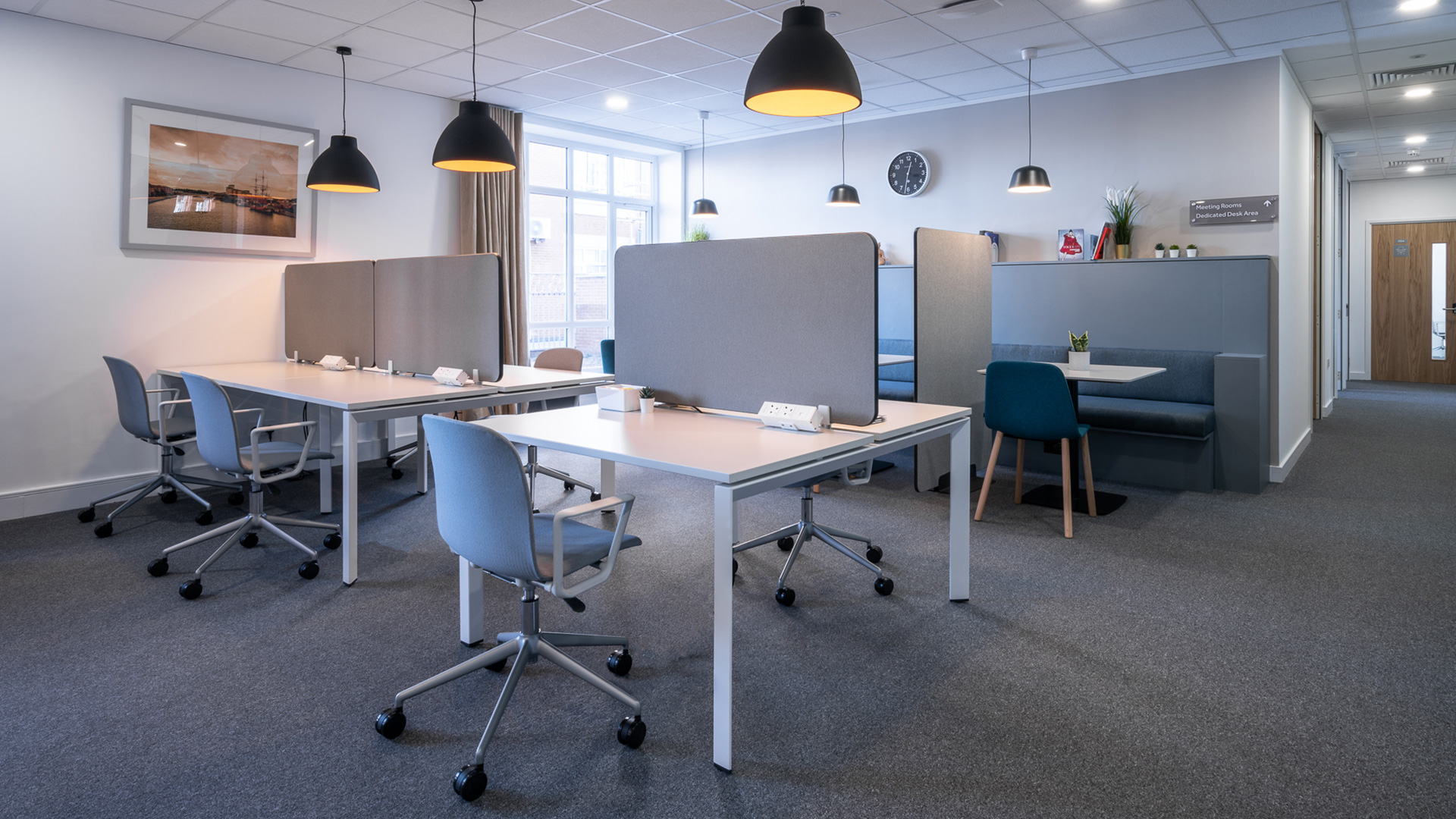
Another consideration when designing for neurodiversity is the layout of the workspace. The placement of communal areas such as break rooms and meeting rooms can have a significant impact on the acoustics of the workspace. For example, if these areas are located in close proximity to workstations, it can be difficult for individuals who are sensitive to noise to focus on their work. Therefore, it's important to consider the location of these areas and to separate quieter areas from noisier ones.
White noise can also be a useful tool for improving the acoustics of a workspace. White noise refers to a type of sound that contains all frequencies in equal amounts, and can help to mask other sounds and create a more consistent auditory environment. Some individuals may find that white noise helps to reduce distractions and create a more calming environment. There are many white noise machines and apps available that can be used to create a more soothing background sound.
In addition to these design considerations, it's also important to provide individuals with the ability to control their environment. This can include adjustable lighting, temperature controls, and the ability to adjust the volume of background noise.
By providing individuals with the ability to control their environment, they can feel more comfortable and in control of their surroundings.
This can be especially important for individuals with sensory sensitivities, who may feel overwhelmed by a lack of control over their environment.
Overall, designing for neurodiversity in the workplace requires thoughtful consideration of the specific needs of each individual. By incorporating sound-absorbing materials, considering the layout of the workspace, using white noise, and providing individuals with the ability to control their environment, you can create a more inclusive and comfortable environment for all employees, including those who are neurodiverse. By doing so, you can help to create a more productive and positive work environment for everyone
Explore our range of products
-
-
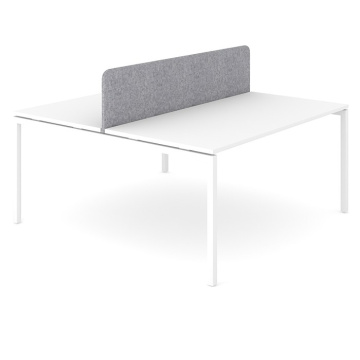
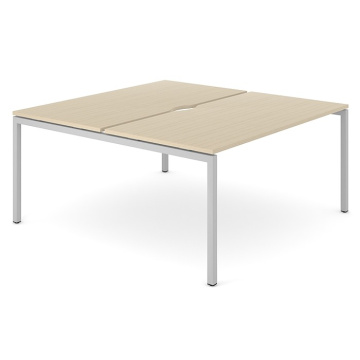 Nova U 2 Person Bench Desk 1440(d)Excl. VAT from £336.00Incl. VAT from £403.20